
Last updated September 10, 2026
Full 25-point door and opener safety check with every visit - springs, cables, rollers, tracks, and your LiftMaster or Chamberlain opener included
You get a price before we start. It does not change when the truck arrives.
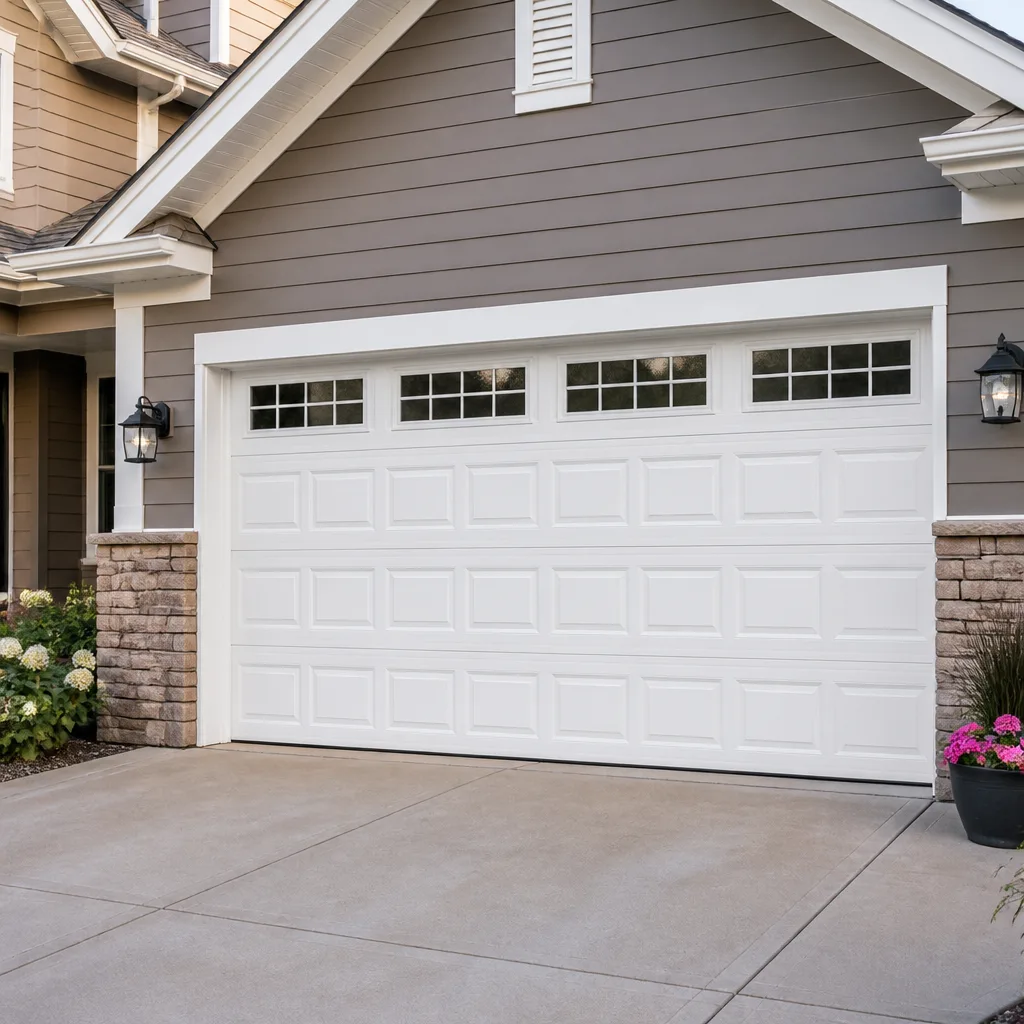
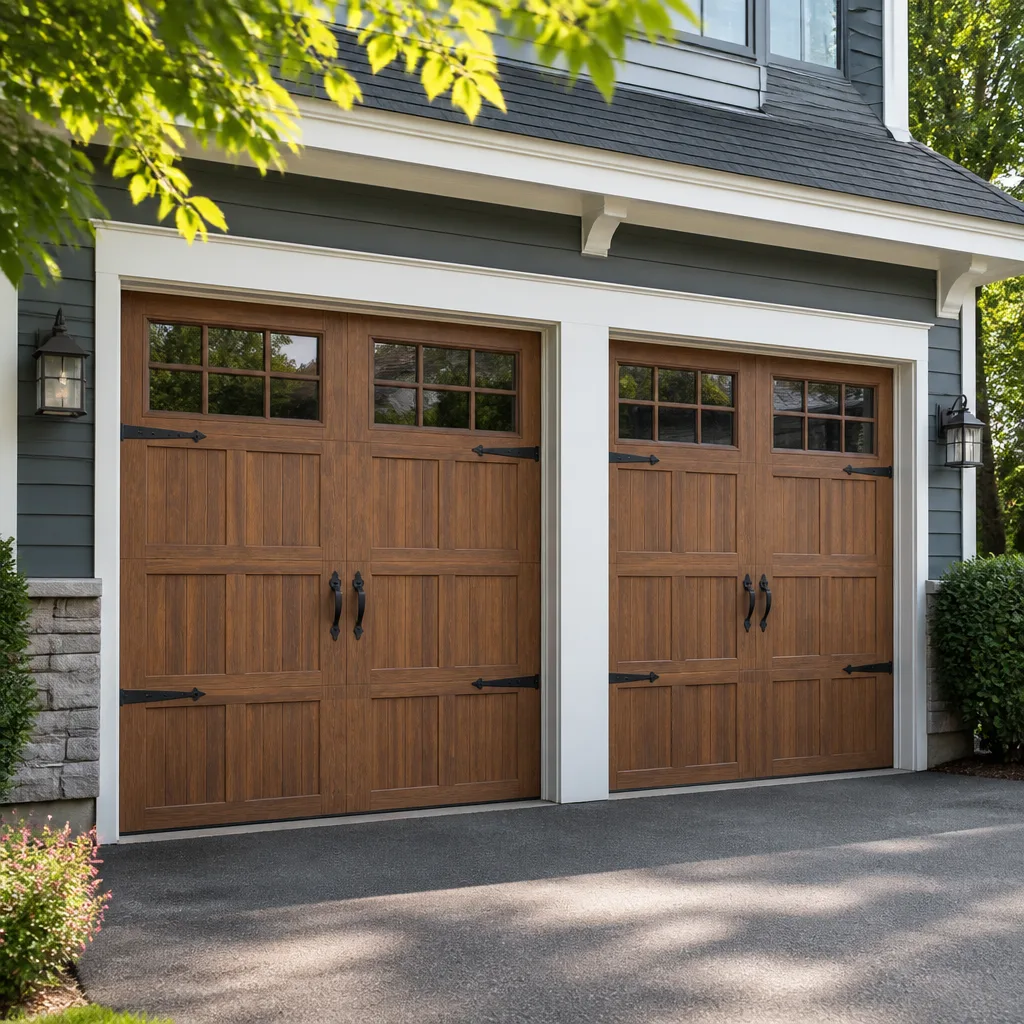
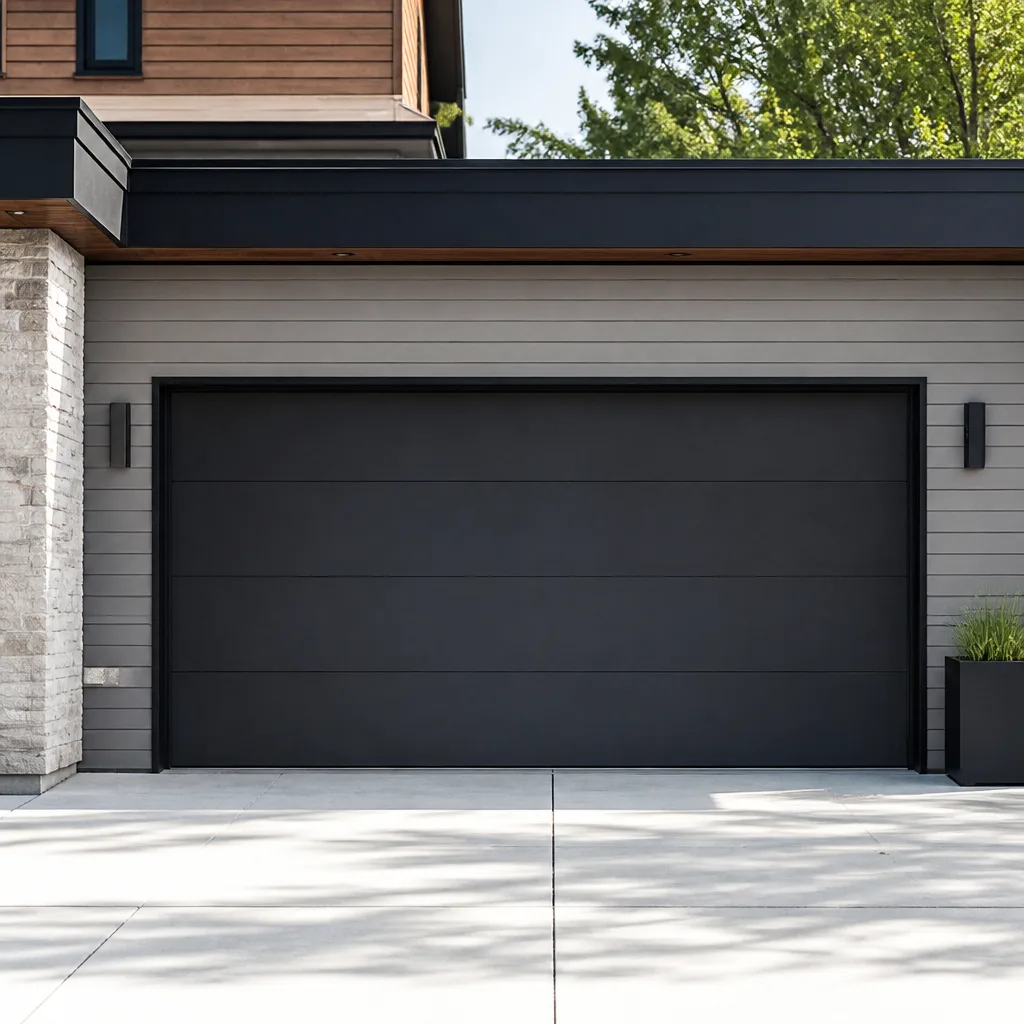
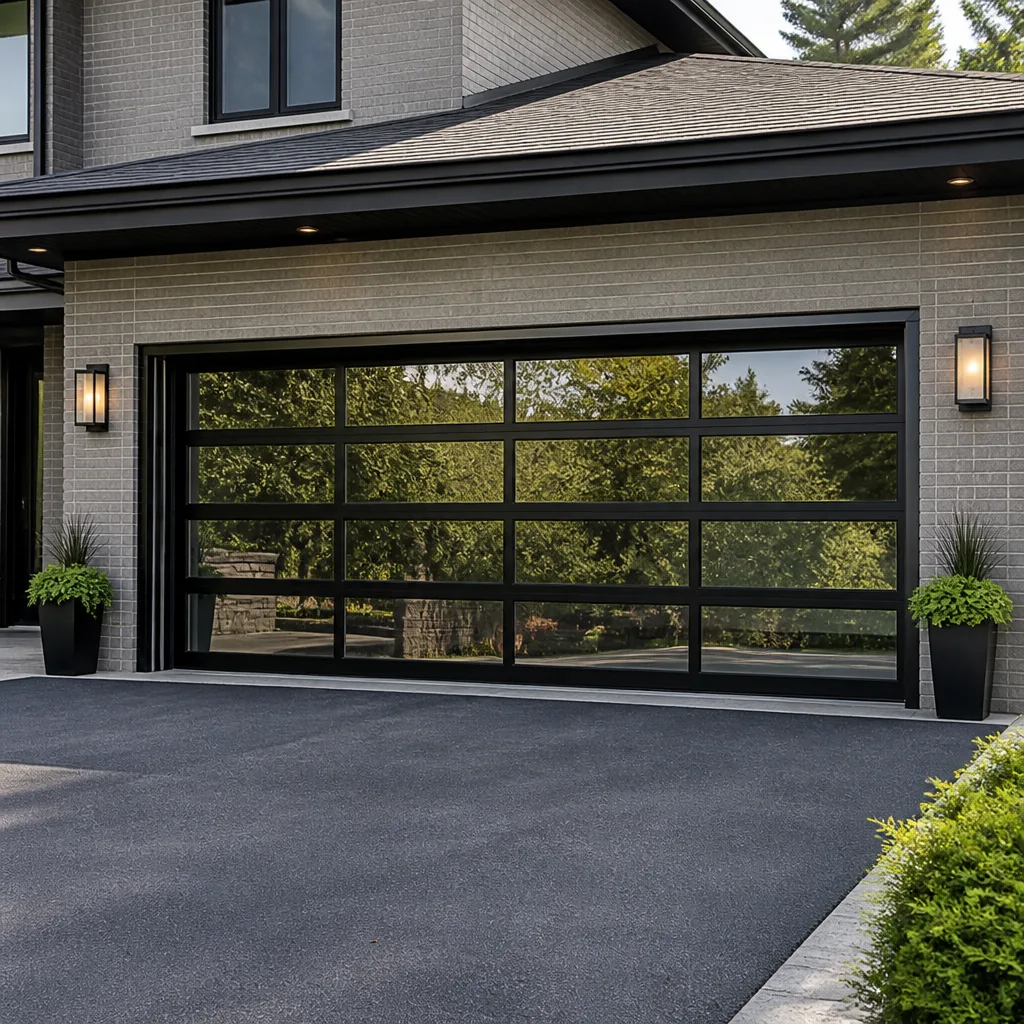
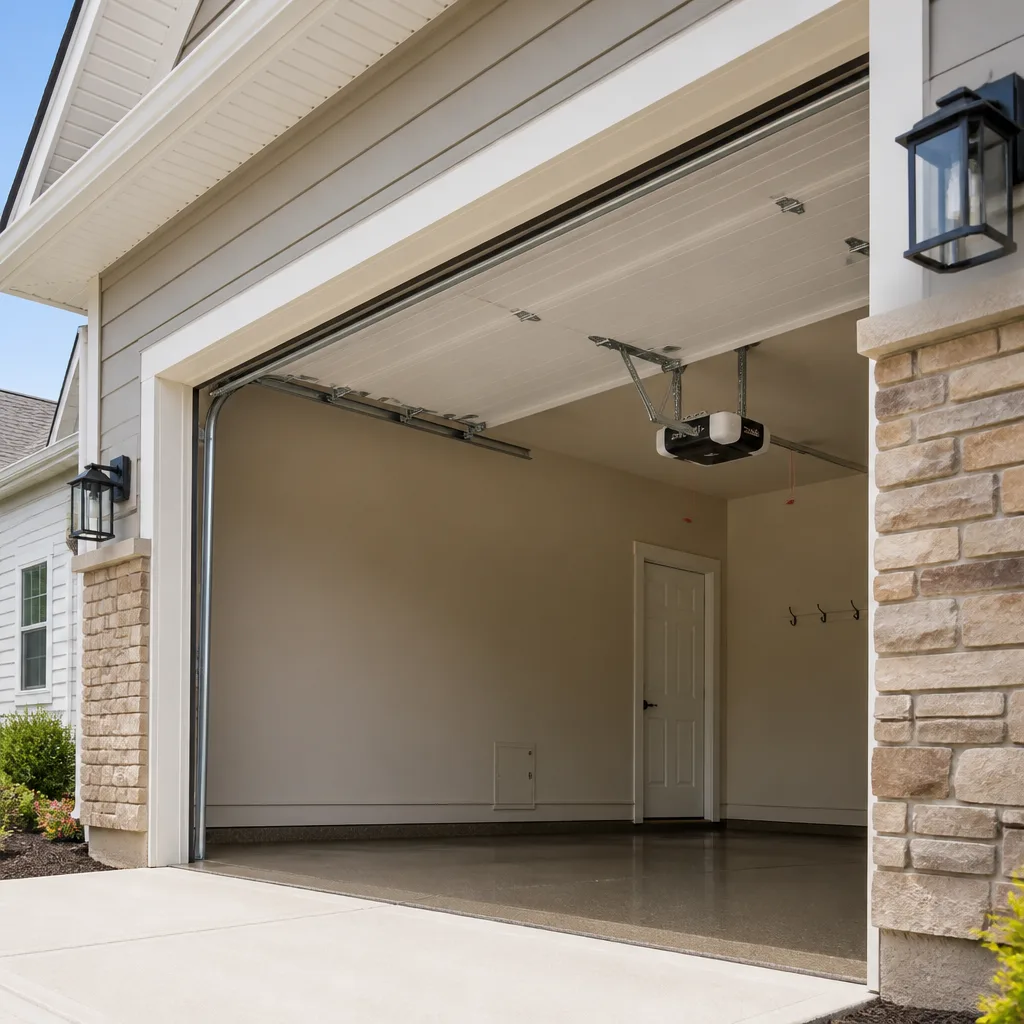
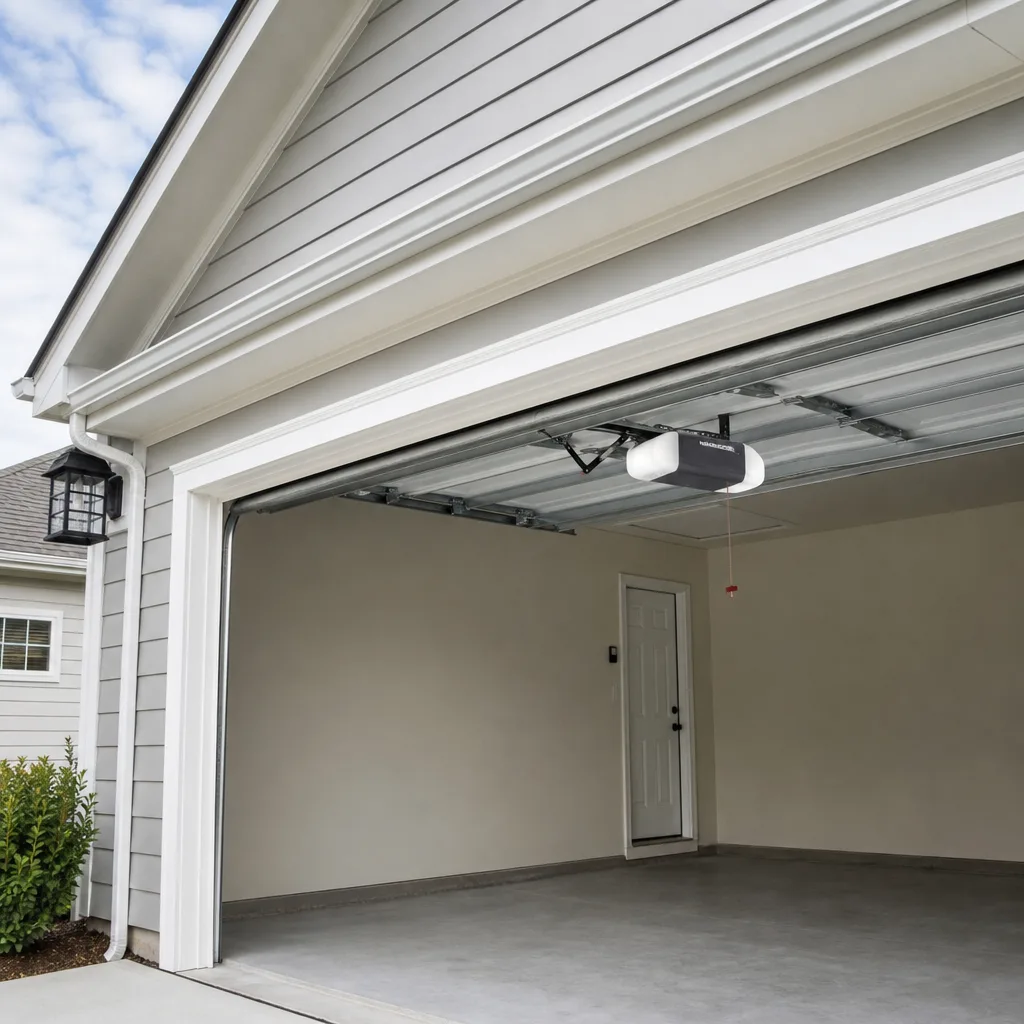
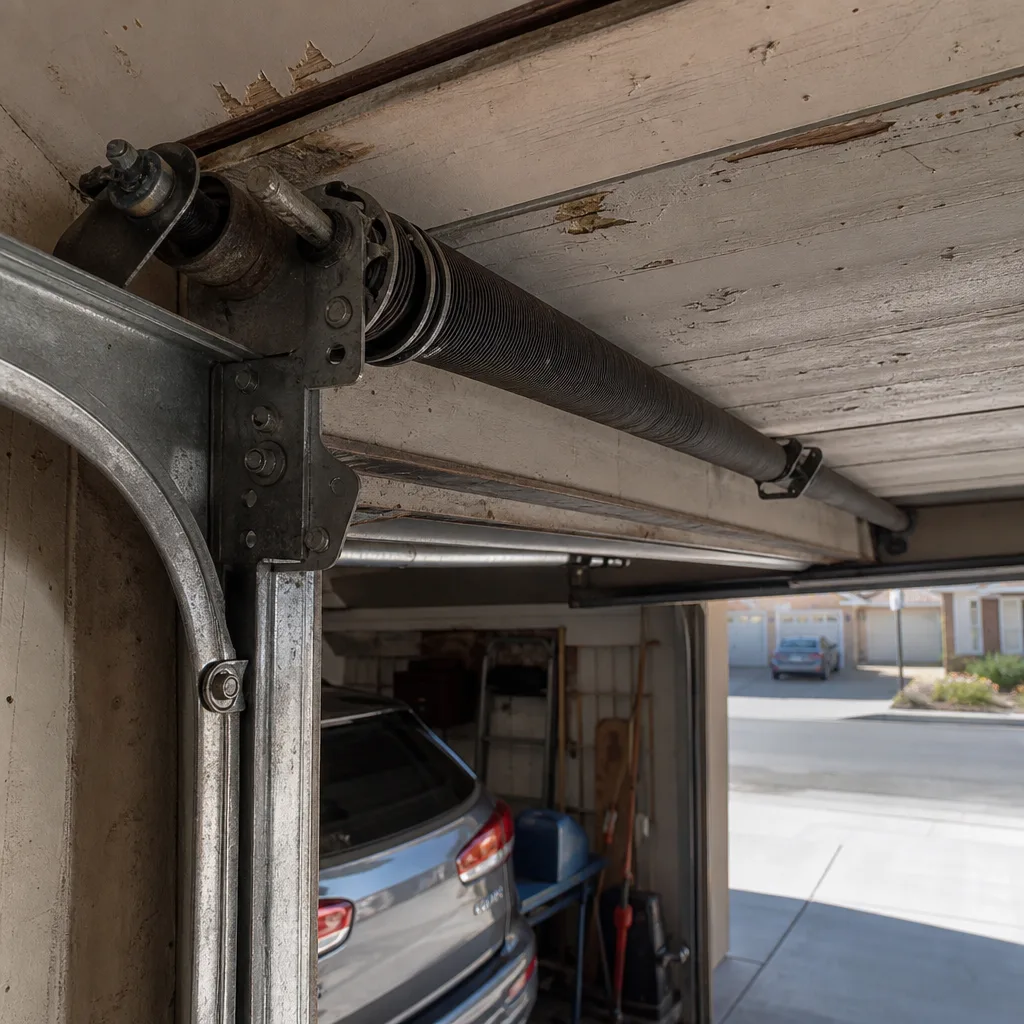 Before
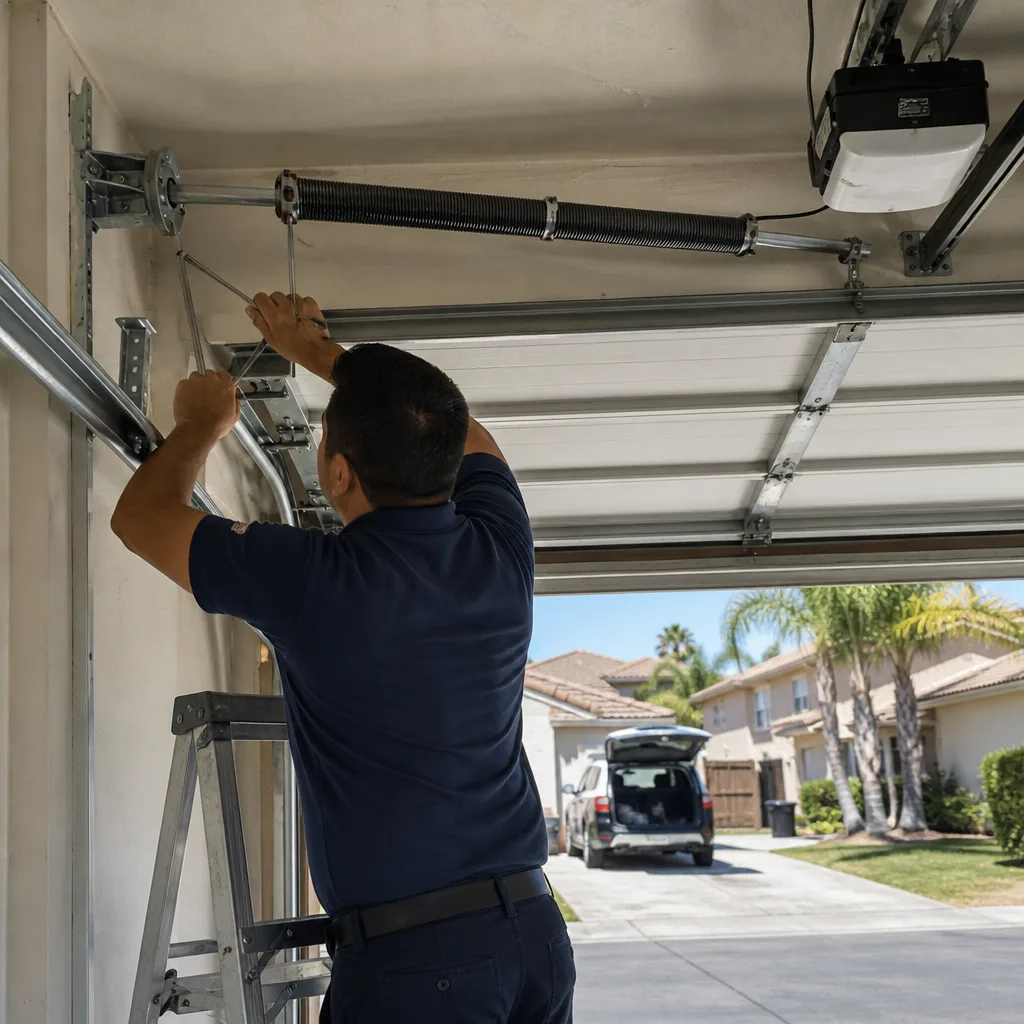 After
After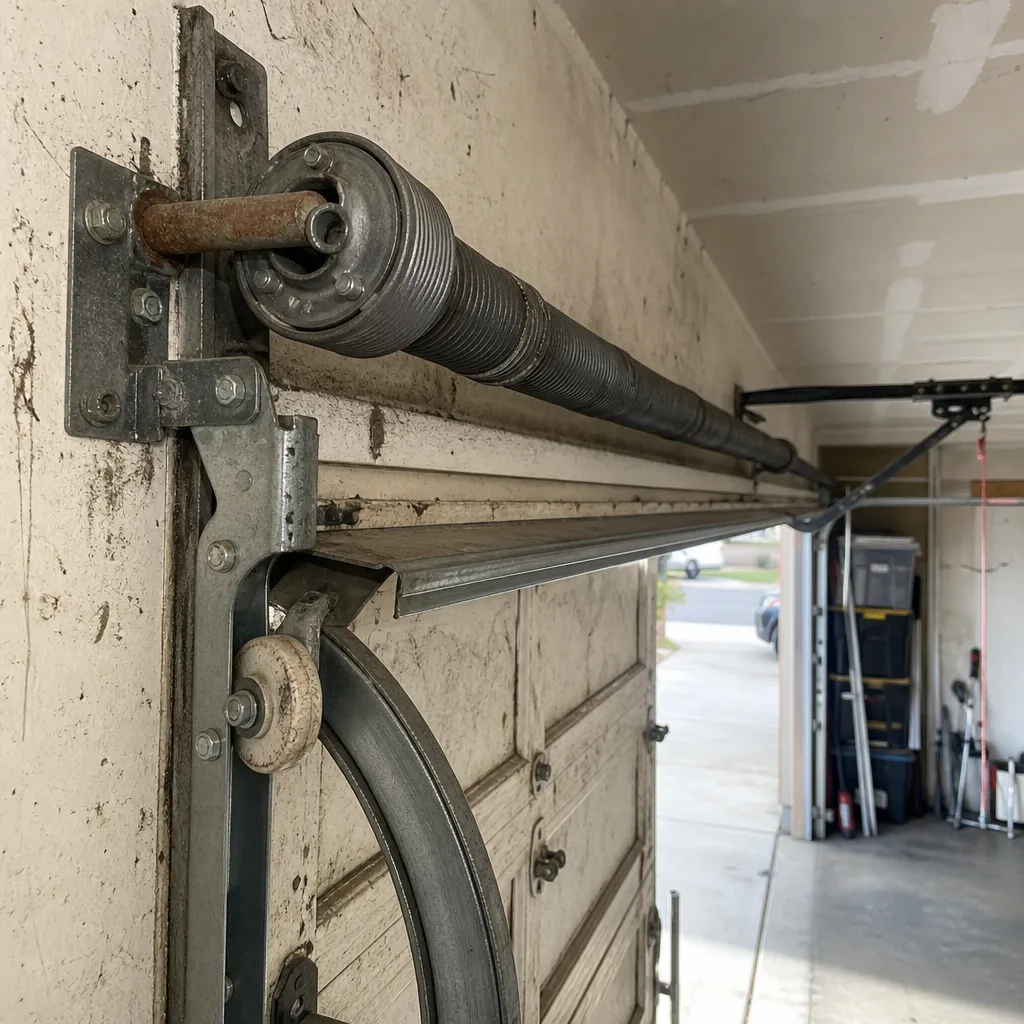 Before
 After
After Before
 After
AfterGarage Door Permits, Codes & Inspections in CA: What You Need to Know
Most homeowners in Oceanside assume swapping out a garage door is a no-paperwork job, and for the majority of residential replacements, they’re right. But California has a handful of specific situations where a permit is not just required, it’s the difference between a clean escrow and a deal that dies on the title report. This guide walks through the actual triggers, what Oceanside inspectors look for, how Title 24 energy rules sneak into the picture, and the HOA-versus-city conflict most people don’t see coming until a violation letter arrives. For Garage Door Warning Signs: A Oceanside Homeowner’s Reference Guide and more guides & resources, see our blog. If you own a home in Oceanside or anywhere in San Diego County, this is the map you’ll wish you had before you touched the header.
Quick Answer
Most garage door replacements in California do not require a city permit, but you do need one if you’re changing the opening size, installing a new header or structural framing, adding electric service to a detached structure, or doing post-fire or post-storm reconstruction that alters the original footprint. In Oceanside, the city follows the California Building Code with local amendments, and certain work triggers a permit faster than homeowners expect. When in doubt, call the building department in Oceanside before you start, because correcting unpermitted work after it’s done costs three times as much.
Table of Contents
- When a Garage Door Permit Is Actually Required in California
- Oceanside-Specific Rules and Municipal Code
- Title 24 Energy Compliance and Garage Door Replacements
- HOA Approval vs. City Permit: Two Separate Battles
- How Unpermitted Garage Door Work Shows Up at Resale
- The Inspection Process: What the Inspector Checks, Timeline, and Common Failures
- Storm Damage, Insurance Claims, and Permits
- What Permits Cost in Oceanside and San Diego County
- Common Mistakes to Avoid
- When to Call a Professional
- Frequently Asked Questions
- The Bottom Line
When a Garage Door Permit Is Actually Required in California
California Building Code Section 105.1 says a permit is required for any work that involves construction, alteration, or replacement of a building’s structural components, electrical systems, or means of egress. A standard garage door swap, same opening, same size, no structural change, falls outside that definition and needs no permit in most jurisdictions, including Oceanside. But the exceptions are where homeowners get into trouble, and they’re more common than you’d think.
Here are the specific conditions that trigger a permit requirement in California:
- Changing the opening size: If you’re widening a single door to a double, or converting two singles into one opening, you’re modifying the header beam. That’s structural work, and it requires a permit, engineered drawings, and an inspection.
- Adding or relocating electrical: A new garage door opener on a circuit that doesn’t exist counts as electrical work. Running Romex through a garage wall to power an opener or a motion light needs a permit in Oceanside.
- Replacing after fire or storm damage: If the door was damaged in a wildfire, flood, or earthquake event, and the repair involves anything beyond a like-for-like replacement, most California jurisdictions including Oceanside require a permit to verify the repair meets current code.
- Converting a carport to a garage: This is a whole-structure change that always needs permitting, not just for the door but for the walls, roof, and sometimes the slab. The garage door is the easy part of that permit.
- Detached structures on pre-1990 foundations: If you have an old detached garage and you’re adding an electric opener for the first time, the city may require a permit to bring the electrical feed up to current code, including GFCI protection and dedicated circuits.
We’ve been doing garage door work in Oceanside since 2004, and the single most common permit situation we see is the widened opening. Homeowners want a truck-friendly double door where a single used to be, and they don’t realize the header above that opening is carrying roof load. Cut it without an engineer’s letter and you’re gambling with the ridge beam.
What About Like-for-Like Replacements?
A like-for-like replacement means the new door fits the existing opening, uses the same mounting points, doesn’t change the electrical setup, and doesn’t touch the structure. In Oceanside, that work is exempt from permitting. You don’t need to call the building department to swap a 16×7 steel door for a 16×7 Clopay or Amarr door. The springs, tracks, and opener all get replaced, but the building envelope stays the same, so the city doesn’t care.
Oceanside-Specific Rules and Municipal Code
Oceanside operates under the California Building Standards Code, Title 24 of the California Code of Regulations, with local amendments codified in the Oceanside City Code. The city’s building division is part of the Development Services Department, and they’re responsive by phone, which is rare for a city of 175,000 people. If you live in Oceanside in Fire Mountain, South Oceanside, or out toward the San Luis Rey River valley, the same rules apply citywide, but older neighborhoods have quirks.
What you should know about doing garage door work in Oceanside specifically:
- Coastal corrosion zone: Homes within about three miles of the beach fall under corrosion-resistant hardware requirements. The city’s inspectors will check that fasteners and track brackets are galvanized or stainless steel if the permit involves structural work. Standard replacements don’t get inspected, but if you’re getting a permit anyway, use coastal-grade hardware.
- Wind load requirements: Oceanside sits in a wind zone that requires garage doors to meet a design pressure rating of at least 20 psf in most residential zones. If you’re near the coast or up in the hills where the Santa Ana winds come through, that number can go higher. A permit inspection will include checking the door’s wind rating label.
- Historic districts: Oceanside has several designated historic areas, including parts of the downtown grid and the Loma Alta neighborhood. In those zones, any exterior change, including a garage door, may require a Certificate of Appropriateness from the Historic Preservation Commission before a building permit is issued. That’s a separate review process that takes 30 to 60 days.
We’ve sat in on inspections in Oceanside where the door itself was fine but the inspector flagged the galvanized hardware because the house sits four blocks from the surf. Salt air eats steel faster than people realize. A door installed with standard indoor hardware near the beach will show rust streaks in two years, and the inspector knows that.
Title 24 Energy Compliance and Garage Door Replacements
Title 24, Part 6 of the California Energy Code, applies to new construction, additions, and alterations that affect a building’s thermal envelope. A standard garage door replacement falls into a gray area, and here’s what it means in practice for Oceanside homeowners.
The relevant section is the Prescriptive Envelope Requirements, which set minimum insulation values for exterior components. For attached garages, the walls and ceiling between the garage and the living space must be insulated, but the garage door itself is not considered part of the thermal envelope in most residential configurations. That means a standard door swap doesn’t trigger Title 24 compliance.
Where Title 24 does apply:
- Conditioned garages: If the garage is heated or cooled, which is rare but exists in some Oceanside homes with converted workshops or ADU-adjacent garages, the door becomes part of the thermal envelope. An insulated door with a minimum R-value is then required, and the project needs a Title 24 compliance form.
- New construction and major remodels: Any garage built new, or any remodel that triggers building permits for the garage itself, requires the garage door to meet current energy code. That typically means an insulated door with an R-value of at least R-6.5 for the coastal climate zone that Oceanside sits in.
- ADU conversions: Converting a garage to an accessory dwelling unit is a whole different animal. The garage door comes out or gets sealed, and the entire space gets brought to current energy code. We’ve done this work in Oceanside, and it always involves a building permit, a Title 24 energy report, and multiple inspections.
For the average homeowner replacing a worn-out door with a new one, Title 24 is a non-issue. The permit isn’t triggered, so the energy code doesn’t come into play. But if you’re doing anything more than a straight swap, it’s worth asking the building department in Oceanside whether your project needs a Title 24 form. The answer is almost always yes if any permit is required.
HOA Approval vs. City Permit: Two Separate Battles
Here’s the conflict most homeowners in Oceanside don’t anticipate: your HOA says yes, the city says no permit needed, or the city requires a permit and the HOA hasn’t even been asked. These are two completely separate processes, and neither one overrides the other.
An HOA is a private contract. The architectural review committee can restrict garage door colors, materials, window placement, and even brand. They can say no to a Wayne Dalton door because the HOA’s design standards call for Clopay or Amarr. That’s their right, and the city’s building department will not get involved in that fight.
The city permit process, by contrast, is about safety and code compliance. The building inspector in Oceanside doesn’t care if your HOA approved the door. The inspector cares that the header is sized correctly, the tracks are anchored properly, and the door has the right wind rating. These two processes can conflict, and when they do, the HOA’s architectural rules are the ones you legally agreed to follow, but the city’s permit is the one that protects your house.
The sequence that works, and the one we recommend to every Oceanside homeowner we work with:
- Check HOA covenants first: Pull your CC&Rs and read the section on exterior modifications. Most HOAs in Oceanside require written approval before any exterior work begins, including garage doors. The approval process can take two to six weeks.
- Contact the city building department: Ask whether your specific project needs a permit. Describe the work in plain language. The Oceanside building division has plan checkers who will answer this question over the phone.
- Get the HOA approval in writing: An email from the architectural committee chair counts. Keep it.
- Apply for the city permit if required: Submit the application, pay the fee, and schedule the inspection. Don’t start work until the permit is issued.
- Keep both documents filed together: You’ll need both when you sell, and the buyer’s agent will ask.
We’ve seen Oceanside homeowners install a door the HOA later rejected because the panel style didn’t match the neighborhood standard. Now they’re out the cost of the door plus the replacement. The city wouldn’t have stopped them, but the HOA did, and the HOA’s fine accrues monthly until the door is changed.
How Unpermitted Garage Door Work Shows Up at Resale
When you sell a home in California, the buyer’s disclosure package includes a TDS, the Transfer Disclosure Statement, where sellers answer questions about known issues and unpermitted work. If you widened a garage opening five years ago without a permit, and you answer honestly, that disclosure goes to the buyer. If you answer dishonestly and a home inspector catches the change, the deal can collapse or a lawsuit can follow.
Here’s what buyers’ inspectors actually check on garage doors in Oceanside:
- Header condition and size: An inspector will look for sagging, cracking, or undersized headers above the garage door. A widened opening with an insufficient header is a structural red flag that shows up on the inspection report.
- Permit history: Title companies pull permit records from the city’s building department. If the county assessor’s records show a single-car garage and the house now has a double door, that discrepancy gets flagged at escrow.
- Electrical work: A home inspector will open the panel box and check for unpermitted circuits. If the garage opener was added with a new circuit and no permit, the buyer’s inspector may call it out as a safety item.
- Door cycle count and spring condition: This isn’t a permit issue, but inspectors do note worn springs and tired openers. A garage door that fails inspection for mechanical reasons will scare a buyer even if the permit history is clean.
The cost of correcting unpermitted work at resale is roughly three times what the permit would have cost in the first place. Plan check fees, inspection fees, potential engineering retrofits, and the time cost of a delayed escrow all stack up. We’ve had Oceanside sellers call us to fix unpermitted garage work the week before closing because the buyer’s lender flagged it. It’s an emergency, and emergencies cost more.
The Inspection Process: What the Inspector Checks, Timeline, and Common Failures
If your garage door project in Oceanside does require a permit, here’s the process, step by step, and what fails most often.
- Submit the permit application: In Oceanside, residential building permits are submitted through the Development Services Department. You’ll need a basic floor plan or site sketch, the door specifications including size and wind rating, and for structural work, an engineer’s letter on the header.
- Plan check: For simple door replacements with permits, plan check is usually same-day or within a week. For structural work like opening changes, expect two to four weeks, longer if the city is busy.
- Pay the fee: Permit fees in Oceanside run between $75 and $400 for typical garage door work, depending on the project valuation. We’ll cover exact numbers in the cost section below.
- Do the work: The door goes in, the tracks go up, the header gets replaced if required. The permit needs to be posted on the job site during construction.
- Schedule the inspection: Call the building division in Oceanside to schedule the inspection. For garage door work, it’s usually one inspection, not multiple.
- The inspection itself: The inspector checks the header and structural connections, verifies the door’s wind load rating, confirms the track anchoring is adequate, and checks that the door reverses properly on the safety sensors. The whole inspection typically takes 20 to 30 minutes.
Common failures we’ve seen in Oceanside inspections:
- Missing wind load documentation: The inspector asks for the door’s design pressure rating, and the homeowner doesn’t have it. Every manufacturer provides this label, but it gets thrown away with the packaging.
- Improper track anchoring: The vertical tracks need to be lagged into solid wood framing, not just drywall anchors. Inspectors catch this every time.
- Non-compliant hardware near the coast: Galvanized or stainless hardware is required within the coastal zone. Standard zinc-plated hardware fails inspection.
- Opener without photo-eye sensors: If the opener is part of the permitted work, the sensors need to be mounted no higher than six inches off the floor and the door must reverse within two seconds of breaking the beam.
One failed inspection adds a week to the project because the correction has to be made, the inspector reschedules, and the clock restarts. Most of these failures are preventable if the work is done right the first time.
Storm Damage, Insurance Claims, and Permits
Oceanside doesn’t get hurricanes, but it does get the occasional heavy Santa Ana wind event that rips a garage door off its tracks, and it sits in a region where wildfire and earthquake risks are real. When a garage door fails due to storm, fire, or seismic damage, the permitting rules shift.
If the repair is like-for-like, meaning the opening is unchanged, the structure is sound, and the door is being restored to its original condition, no permit is required in most cases. The insurance company will pay for the replacement, and the work can proceed without city involvement.
If the damage extended to the framing, the header, the side jambs, or the electrical system, the repair becomes structural, and a permit is required. The insurance adjuster will typically note this in the claim file, and the city’s building division may require an inspection before the claim is closed.
We’ve handled storm damage repairs in Oceanside and across San Diego County where the original garage was built before current wind load standards. When the door gets blown out and the opening is damaged, the repair must bring the entire assembly up to current code, which sometimes means a stronger header and better anchoring. That work always needs a permit, and the insurance company usually covers the permit fees as part of the claim.
What Permits Cost in Oceanside and San Diego County
Permit fees in California are based on the project valuation, which is the total cost of the work including labor and materials. For a garage door replacement in Oceanside, here’s what you’re looking at:
- Standard door replacement, no permit required: $0 in permit fees, but you still need to make sure the work meets code if you ever sell.
- Simple permit for electrical work: $75 to $150, depending on the valuation.
- Permit for a widened opening or structural change: $250 to $600, including plan check fees. If an engineer’s letter is required, add $300 to $800 for the engineer.
- Title 24 compliance form: $100 to $250 if your project requires energy code documentation.
- Inspection fees: Most Oceanside permits include one inspection. Reinspection fees run $75 to $150 if the work fails the first time.
These numbers are for Oceanside specifically. Other cities in San Diego County have similar fee structures, but the exact amounts vary. Vista, Carlsbad, and San Marcos all use the same California Building Code framework with slightly different local fee schedules. If you’re doing garage door work outside Oceanside, check with that city’s building division.
One more thing about cost, and it matters to Oceanside homeowners specifically: the permit fee is a tiny fraction of what unpermitted work costs you later. A $200 permit now versus a $3,000 escrow fix in five years is an easy call, but most people don’t make it because they don’t know the rules. That’s exactly why we wrote this guide.
Common Mistakes to Avoid
- Assuming every garage door replacement is permit-free. Most are, but the exceptions are structural, electrical, or storm-related. If you’re changing the opening or adding wiring, make the call to the Oceanside building division before you start.
- Ignoring the HOA until after the door is installed. The city may not care, but your HOA definitely does. An HOA violation for an unapproved door starts accruing fines immediately and doesn’t stop until the door is corrected.
- Inheriting unpermitted work and not fixing it. If you bought an Oceanside home with an unpermitted garage conversion or widened opening, the liability transfers to you. You can apply for a retroactive permit, but the process is more expensive and more invasive than doing it right the first time.
- Using non-coastal hardware within the Oceanside corrosion zone. If your replacement door needs inspection and the hardware fails, you’re paying for a reinspection on top of the hardware swap. Galvanized or stainless from day one.
- Throwing away the wind load label. That sticker on your new garage door is the proof the inspector needs. If you lose it, the manufacturer can provide a replacement, but it takes a week and delays the inspection.
- Replacing the opener without checking the electrical circuit. Old garages in Oceanside with pre-1990 wiring may not have a dedicated circuit for the opener. Adding one requires a permit, and running an opener on a shared circuit with a fridge or laundry will trip the breaker constantly.
- Doing structural garage door work yourself. A garage door is a 200-pound panel riding on two high-tension springs. If the opening is being modified, the header above it is holding roof load. Neither one is a Saturday project. Find a licensed contractor with experience in structural garage work.
When to Call a Professional
You need a licensed professional when the work involves structural changes, electrical modifications, or any situation where a permit is required and you’re not confident in the plan check process. See How to Hire a Garage Door Contractor in Oceanside: A Step-by-Step Guide before you choose. Widening an opening means cutting into the load path of your roof. Adding a circuit means working inside a live electrical panel. Replacing storm-damaged framing means matching new lumber to old and getting the inspector to sign off. These are not DIY projects, and the cost of getting them wrong is measured in house damage or injury.
Otto’s Garage Door has been doing this work in Oceanside since 2004, and we’ve been through the permit process so many times we know the plan checkers’ names and the inspectors’ preferences. If you’re unsure whether your project needs a permit, call us and ask. The answer is free, and so is the estimate. Garage Door Repair in Oceanside covers everything from spring replacement to full structural work, and we’ll tell you straight whether you need the city involved or not. Otto’s Garage Door offers free estimates in Oceanside, call (760) 819-7361.
Frequently Asked Questions
Most standard like-for-like garage door replacements in Oceanside do not require a permit. You only need one if you’re changing the opening size, adding or relocating electrical wiring, replacing structural framing, or doing post-storm or post-fire work that changes the original footprint. A direct swap of the same size door needs no city involvement. If you’re unsure, call the Oceanside building division, or call us at (760) 819-7361 and we’ll walk you through it.
In Oceanside, permit fees for garage door work typically run $75 to $600 depending on the scope. Simple electrical permits are on the lower end, while structural changes with plan check and engineer’s letters run higher. Other San Diego County cities have similar fee schedules. The cost of the permit is always cheaper than correcting unpermitted work at resale. For an exact quote on the permit and the door work together, call Otto’s Garage Door, and we’ll give you a written estimate before anything starts.
Yes. HOA approval and city permits are separate processes, and your HOA’s architectural rules apply regardless of whether the city requires a permit. An HOA in Oceanside can restrict door colors, materials, window styles, and even specific brands. You need to follow both processes independently. Get HOA approval in writing, and get the city permit if one is required. Neither one overrides the other.
Unpermitted work stays attached to the property and shows up at resale. The buyer’s home inspector may flag the structural or electrical changes, the title company may find a permit discrepancy, and the deal can fall apart at escrow. Correcting unpermitted garage work typically costs three times the original permit fee because it includes plan check, inspection, and often retroactive engineering. In Oceanside, the building division will let you apply for a retroactive permit, but it’s more expensive and more invasive than doing it right the first time. Call (760) 819-7361 before you start, and you’ll know exactly where you stand.
For most residential garage door replacements in Oceanside, Title 24 does not apply because the garage is not part of the conditioned thermal envelope. It does apply if the garage is heated or cooled, if the project is new construction or a major remodel that triggers permits, or if the garage is being converted to an ADU. If your project requires a permit for any reason, ask the building division whether a Title 24 compliance form is needed. We handle Title 24-compliant door installations regularly, including Garage Door Installation in Oceanside.
Installing a garage door opener on an existing dedicated circuit typically does not require a permit in Oceanside. Adding a new circuit, running new wiring, or powering an opener for the first time on a pre-1990 detached structure does require an electrical permit. The springs and cables on a garage door are under enough tension to cause serious injury, and running new electrical work without a permit is a code violation. If you’re replacing or installing an opener, Garage Door Opener in Oceanside covers the brands we work with, and we’ll make sure the electrical is done right.
The Bottom Line
Here’s the whole thing in one paragraph. A standard garage door replacement in Oceanside doesn’t need a permit, and you can do it without calling the city. But if you’re changing the opening, touching the structure, adding electrical, or repairing storm damage that goes beyond the door itself, get the permit. Get the HOA approval separately, in writing. Keep the wind load label, use coastal-grade hardware near the beach, and don’t throw away the paperwork. The permit costs a couple hundred dollars. Fixing unpermitted work at escrow costs thousands. If you’re not sure which side of the line your project falls on, call Otto’s Garage Door at (760) 819-7361, we’ll tell you straight, and the estimate is free. We’ve been in Oceanside since 2004, and Otto is a palindrome, reads the same from either end, same as the door.
Written by Otto Reinhardt, Owner at Otto’s Garage Door, serving Oceanside since 2004.