
Last updated September 10, 2026
Full 25-point door and opener safety check with every visit - springs, cables, rollers, tracks, and your LiftMaster or Chamberlain opener included
You get a price before we start. It does not change when the truck arrives.
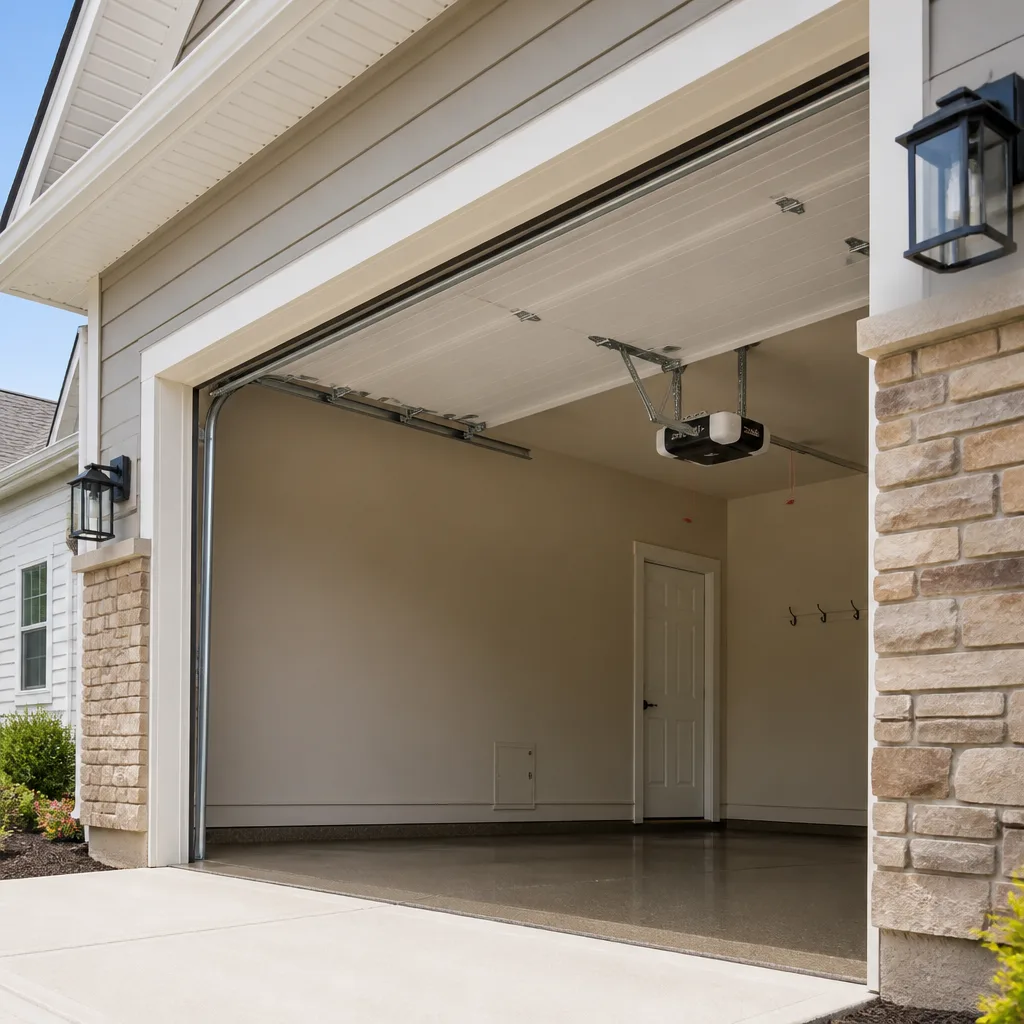
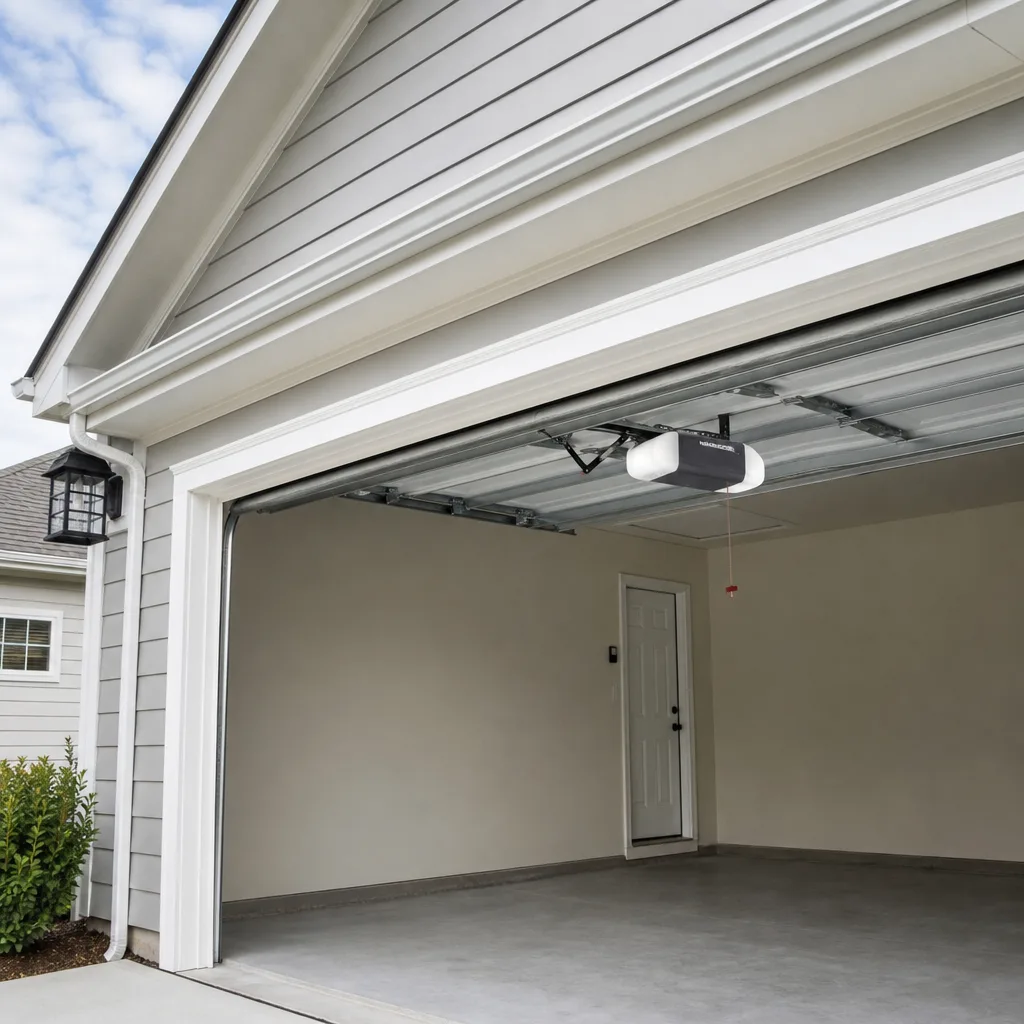
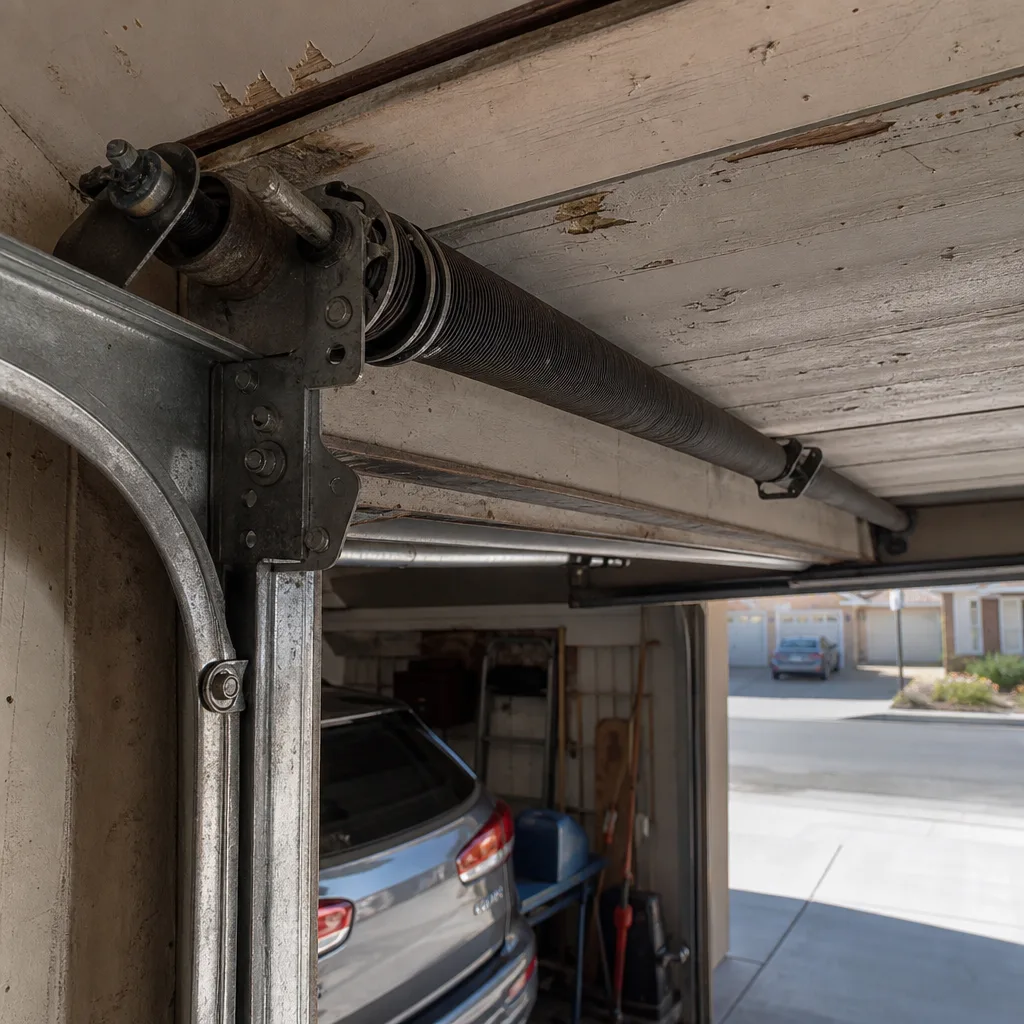 Before
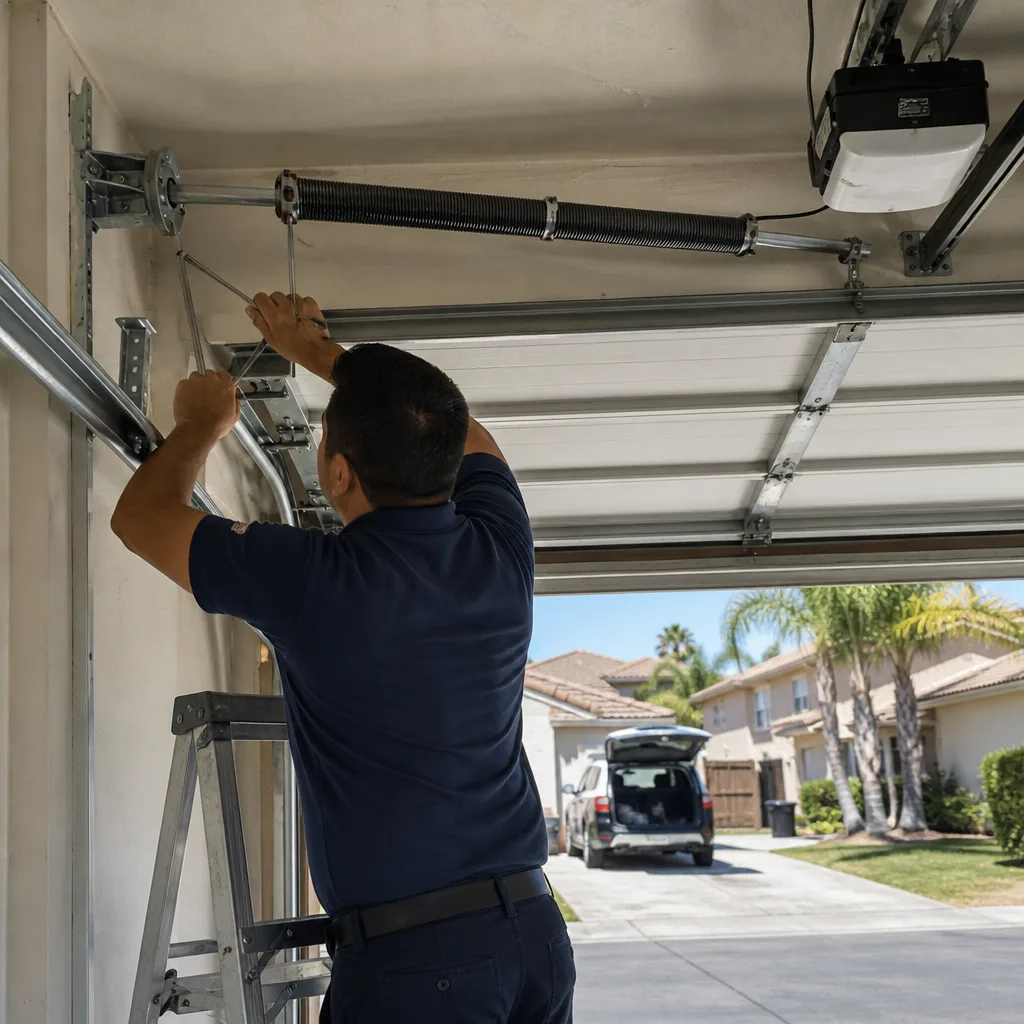 After
After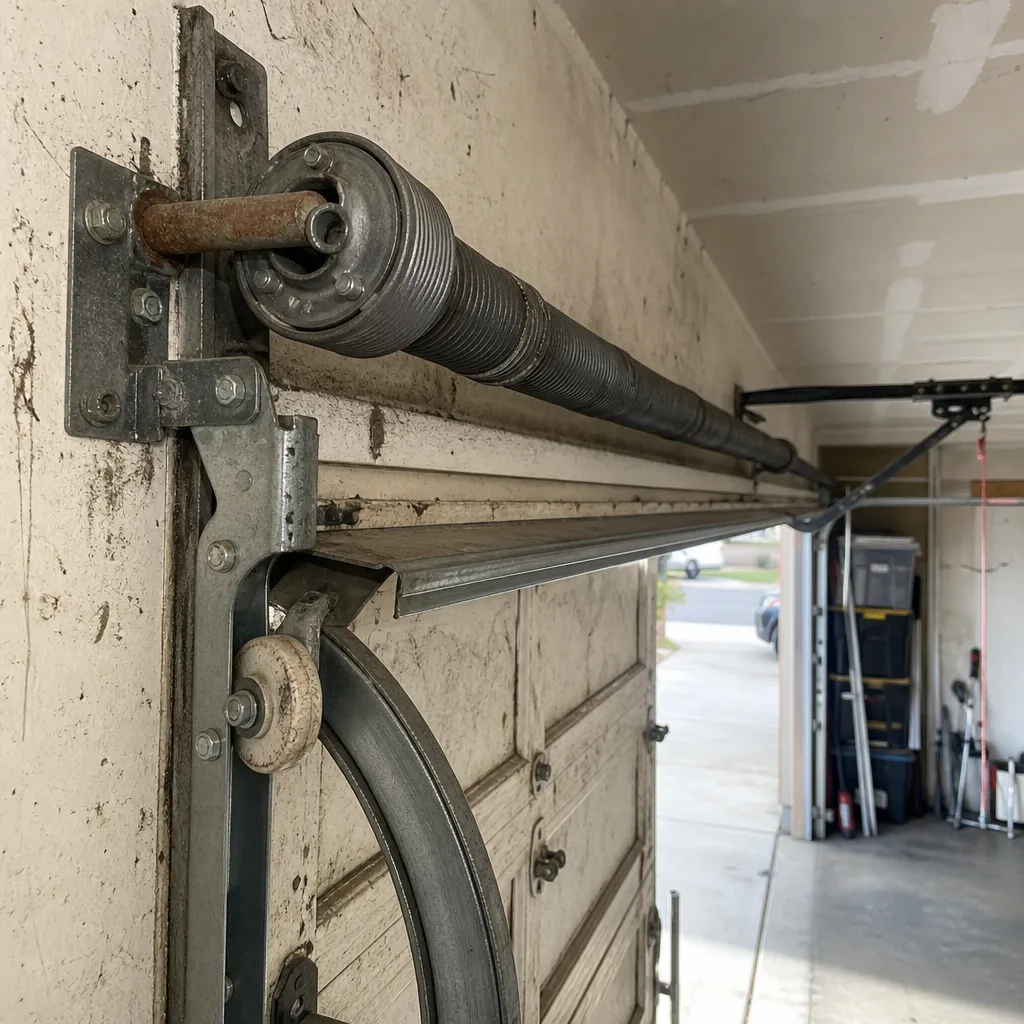 Before
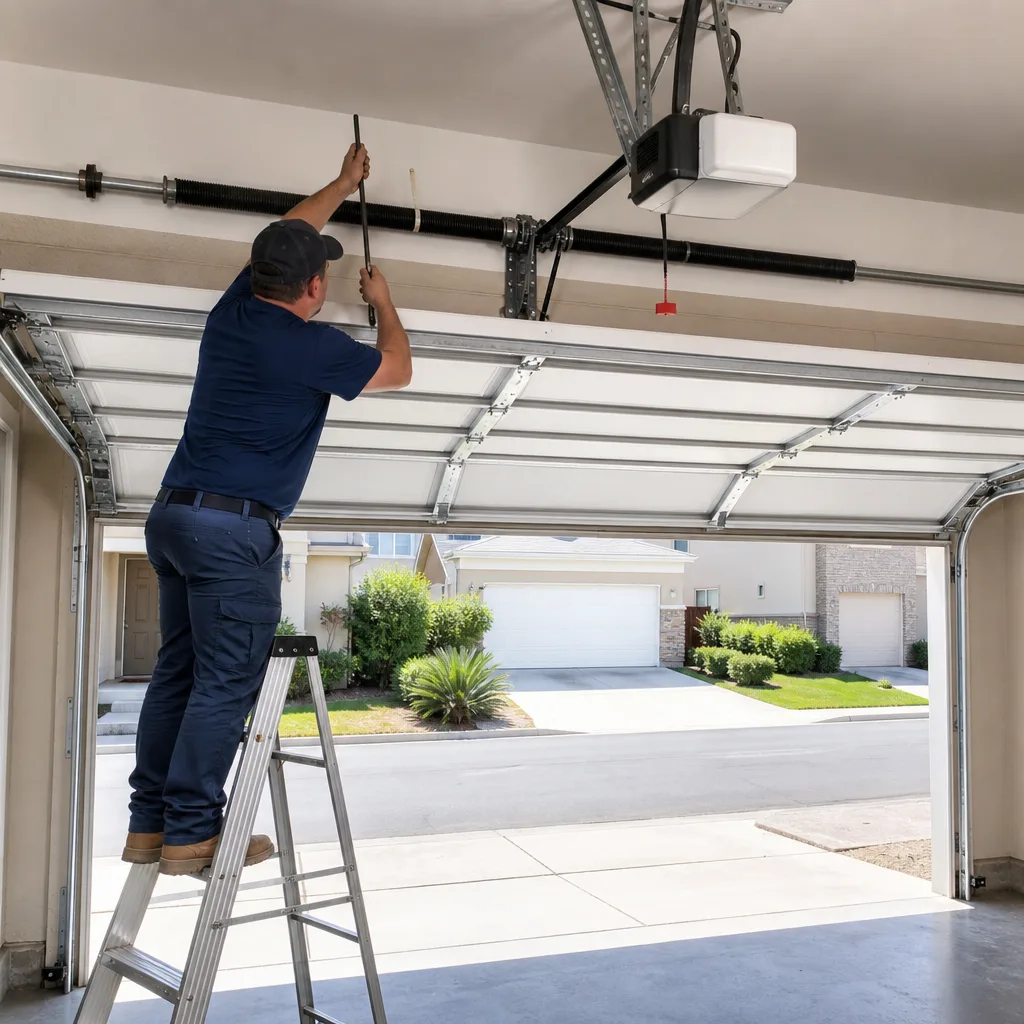 After
After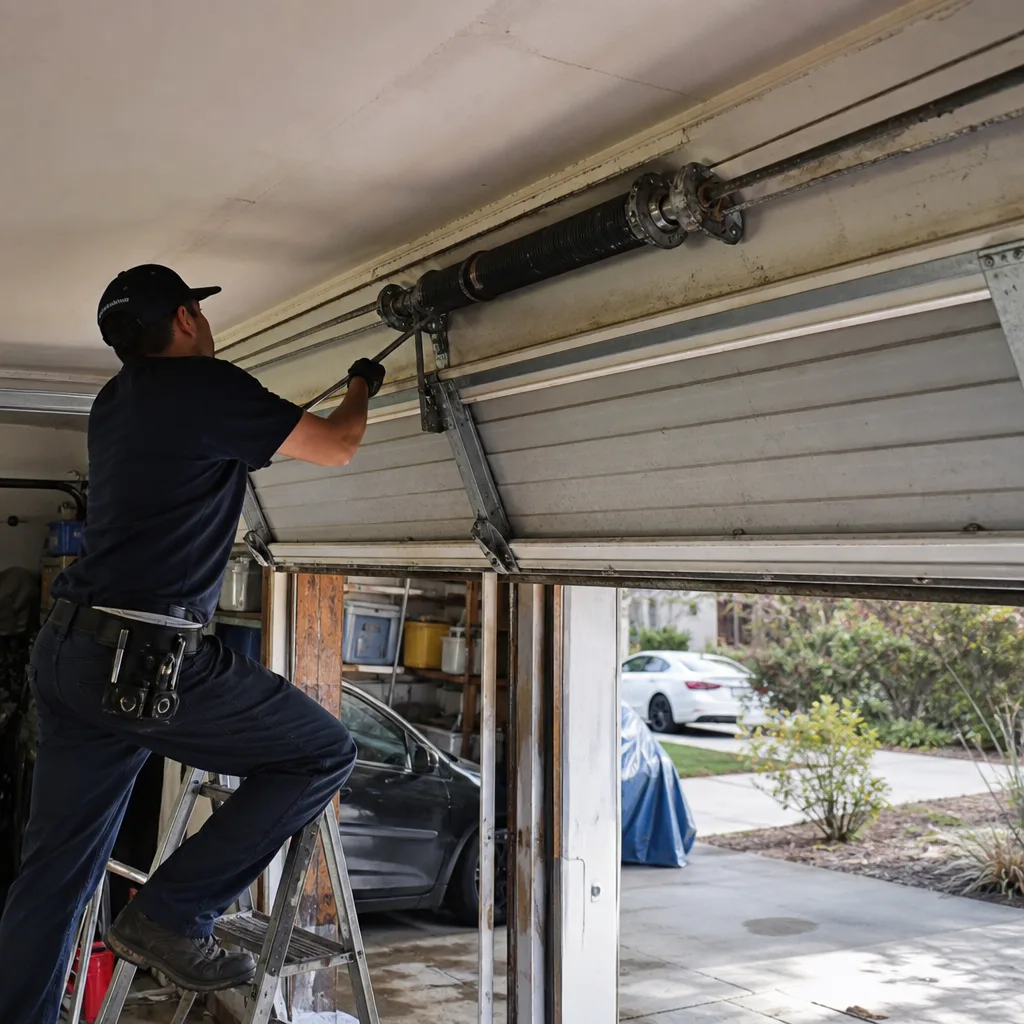 Before
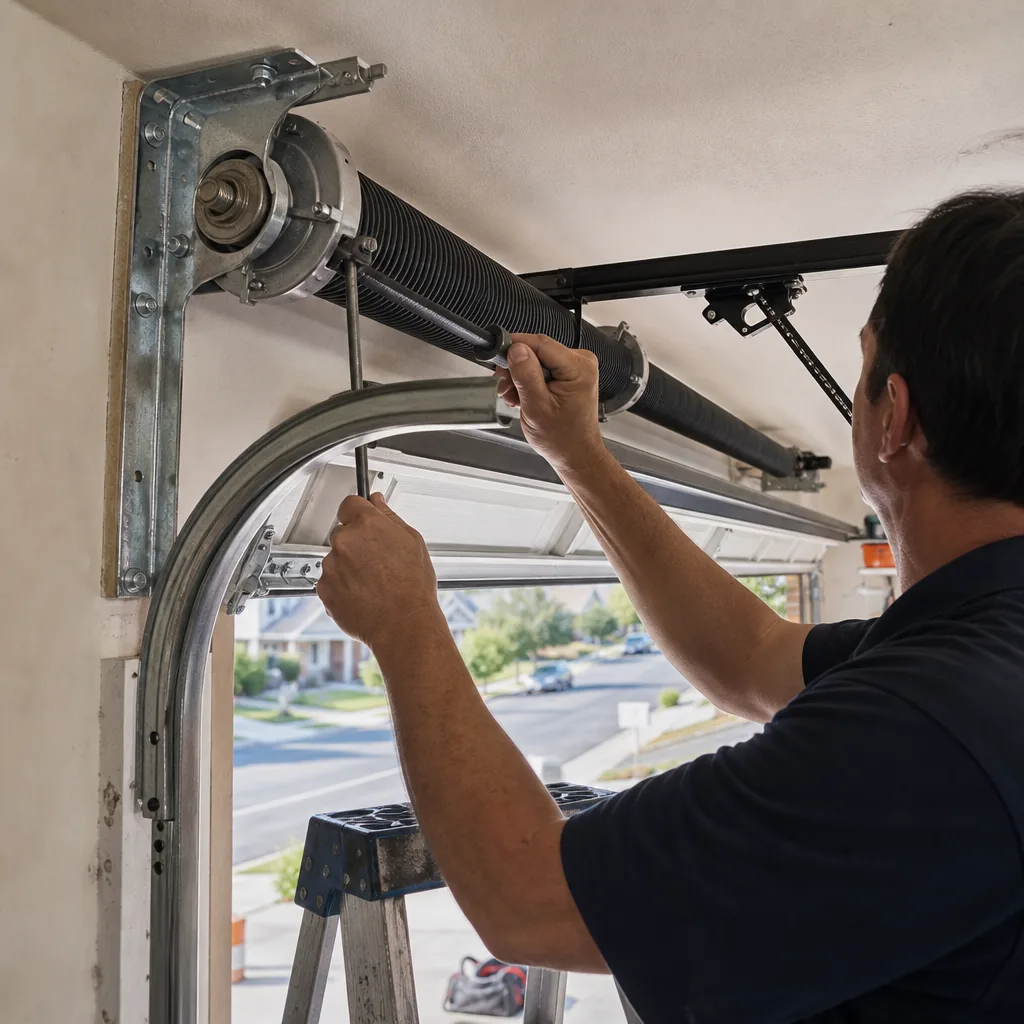 After
AfterGarage Door Cost Breakdown: The Oceanside Homeowner’s Reference for 2026
Here’s the thing about garage door pricing in Oceanside that nobody tells you before you start calling around: two quotes for the exact same door can be $1,400 apart, and both companies can be telling you the truth. The difference is rarely the door itself. It’s the hardware behind it, the spring that actually carries the weight, the track that holds up to salt air, and whether the person quoting has any intention of answering your call in six months. By the time you finish this guide, you’ll know exactly where your dollars go line by line, what coastal conditions do to garage doors in Oceanside specifically, and how to spot the quote that’s missing something before it becomes a surprise invoice. For more guides & resources, visit our blog.
Quick Answer
A complete garage door replacement in Oceanside in 2026 runs $1,100 to $3,900 installed, depending on size, insulation, hardware grade, and spring system. The door panel itself is usually only 45-60% of that total. Coastal-grade hardware (galvanized or stainless components) adds $150 to $500 over standard hardware, and skipping it on a house within five miles of the beach means replacing rusted tracks and hinges in three to five years instead of twelve to fifteen.
Table of Contents
- Line-Item Cost Breakdown for 2026
- The Coastal Hardware Upcharge: Why It’s Legitimate
- How to Read a Quote for What’s Missing
- Repair vs. Replacement: The Crossover Point
- What Emergency Calls Really Cost in Oceanside
- What You Should Never DIY (And Why)
- Maintenance That Pays for Itself
Line-Item Cost Breakdown for 2026
National averages don’t mean much when you live in Oceanside. We buy materials from the same regional suppliers as everyone else in North County, and we pay our crew a wage that keeps them showing up on time. That’s what these ranges reflect, not a calculator that thinks you live in Ohio.
Here’s the reality on the ground in 2026. A basic single-car garage door, no insulation, standard hardware, installed properly, starts around $1,100. Step up to a double door with insulation and coastal-grade components, and you’re looking at $2,000 to $3,200. Add a new opener, and you’re at $2,600 to $3,900 all in. But those headline numbers hide what’s actually going on. Every job is made of parts, and each part has its own logic:
- Door panel (45-60% of total): A single non-insulated steel door runs $450 to $750. A double insulated steel door, 2-car width, runs $1,100 to $1,900. Wood doors start at $2,500 and climb fast, mostly because of the labor to hang and finish them. Vinyl-backed insulated doors, which hold up well in coastal humidity, sit in the middle.
- Springs ($180 to $340 installed): Torsion springs are what carry the weight of the door. Cheap ones are rated for 10,000 cycles, which in a busy household means four to six years. High-cycle springs rated for 25,000 cycles cost more up front but last a decade plus. Extension springs, which you don’t see much anymore, run cheaper but fail more dramatically when they snap. This is not where you save $100.
- Tracks and rollers ($150 to $400): Standard galvanized tracks are fine inland. Within the salt-air zone, we recommend stainless or at minimum a heavier galvanized gauge. Nylon rollers are quieter than steel and last longer, especially when humidity is a factor.
- Opener ($380 to $700 installed): Chain-drive sits at the low end and makes noise. Belt-drive models from LiftMaster or Chamberlain are quieter and worth the premium if you have a bedroom above the garage. Smart-home integration adds $50 to $100 but has become close to standard on new installs.
- Labor ($250 to $500): Removal and disposal of the old door, hanging the new one, spring winding, track alignment, opener install, and testing. This is where quoting gets honest or doesn’t. A crew that shows up insured, background-checked, and trained across LiftMaster, Genie, Clopay, and Amarr products costs more than a pickup with a ladder, and you’ll feel the difference every time the door opens.
- Permits and code compliance ($0 to $150): Oceanside doesn’t require a permit for a simple door-for-door swap in most cases, but if you’re changing the opening size or adding structural support, the city wants to see plans. We handle that paperwork so you don’t have to.
One thing we see regularly in Oceanside: a homeowner gets a quote for a door from a big box store, then calls us to install it. The door costs what it costs, but the hardware that ships with it is usually the cheapest version of everything. When we do the install, we often recommend upgrading the springs and rollers at the same time, because the twenty-dollar savings on the stock spring becomes a $400 repair three years later. A door is 200 pounds riding on two springs. Respect it.
The Coastal Hardware Upcharge: Why It’s Legitimate
Oceanside’s marine layer isn’t just a June gloom phenomenon. It’s a year-round humidity and salt problem that eats standard garage door hardware from the inside out. We’ve replaced hinges in Fire Mountain that looked fine from the outside and disintegrated in our hands once unbolted. That’s not low-quality hardware doing what low-quality hardware does. That’s standard steel meeting salt air.
Here’s what the upgrade actually buys you, and what it costs:
- Stainless steel hinges and brackets ($40 to $120 upgrade): Standard zinc-plated hinges last three to five years within two miles of the beach. Stainless lasts fifteen years or more. The math is simple.
- Heavier-gauge galvanized tracks ($50 to $150 upgrade): Thin tracks flex under load and rust from the inside out. Heavier galvanized track holds its shape and resists pitting much longer at this zip code.
- Marine-rated torsion springs ($50 to $100 upgrade): Spring wire with an oil-tempered coating resists the micro-corrosion that shortens spring life near salt water. It’s not a huge premium, and it matters.
- Weatherstripping and bottom seal ($30 to $80): This is the unsung hero of a coastal garage. A good bottom seal keeps damp, salty air out of the garage, which protects everything inside it, including the door hardware.
When you see a quote that’s $300 to $500 higher than a competitor’s and the difference is listed as “coastal hardware” or “marine-grade components,” that’s not a padded line item. That’s the difference between a door that works for a decade and a door that needs a hardware overhaul in year four. If a quote doesn’t mention hardware grade at all, ask. A company that has been working in Oceanside for two decades doesn’t hang standard hardware on a beach-adjacent home. We have been in this county since 2004, and we’ve seen what the marine layer does to equipment. We quote accordingly, and we tell you why.
How to Read a Quote for What’s Missing
The most expensive garage door quotes in Oceanside are the ones that look cheap. A lowball estimate works by leaving things off, then adding them back once the door is already off its hinges. Here’s what gets left off, in order of how often we see it:
- Old door disposal and haul-away. Nobody works for free, and the landfill charges by weight. If removal isn’t on the quote, expect a $75 to $150 line item before the job is done.
- Hardware upgrade. The quoted price includes the cheapest hinges, rollers, and springs the supplier stocks. If you want components that survive Oceanside air, that’s an “upgrade” that appears on the invoice but not the estimate.
- Spring cycle rating. A 10,000-cycle spring is standard. A 25,000-cycle high-cycle spring is what you want if this is your forever home. The quote says “springs included” and doesn’t mention which kind.
- Opener compatibility. The door quote covers the door. The opener, the sensors, the wall button, the remotes, and the wiring are a separate conversation. Sometimes that’s fair. Sometimes it’s used as a surprise add-on.
- Reinforcement struts. Wide doors in windy zones, which includes most of Oceanside’s coastal corridor, need horizontal reinforcement struts to keep the panel from bowing. They cost $40 to $80 each, and a 16-foot door takes two or three.
- Labor at the door. The quote assumes everything goes perfectly. If the old door was installed poorly, the opening is out of square, or the framing needs shims, that’s billed as additional labor. It might be legitimate. It should have been discussed before the truck pulled up.
The fix is to read every quote line by line and ask one question for each item: “Is this installed, or is this just the part?” A written quote that itemizes the door, hardware, springs by cycle rating, labor, haul-away, and opener integration is a quote from someone who wants you to understand what you’re paying for. We write our quotes that way, down to the dollar, and the number we quote on the phone is the number on the invoice. No surprises, no “I forgot to mention” add-ons. If you’re comparing quotes, put them side by side and check for what’s missing, not just what’s listed.
Repair vs. Replacement: The Crossover Point
There’s a moment in the life of every garage door where repairing stops making financial sense and replacement becomes the smarter money. That moment isn’t a mystery. It’s arithmetic.
Here’s the framework we use when a homeowner asks us whether to repair or replace:
- Under 5 years old: Repair almost always wins. Springs, rollers, sensor realignment, opener gear replacement, all of these are routine and inexpensive relative to the door’s remaining life. Spend the $200 to $400 and keep the door.
- 5 to 12 years old: This is the judgment zone. If the door is otherwise solid and the repair is under $500, repair makes sense. If you’re looking at a new spring set, new rollers, new hinges, and a track realignment all at once, total it up. At $700 to $900 in repairs on a 10-year-old door, you’re halfway to a new door with new hardware, and the old panel still has ten years of wear on it.
- Over 12 years old: Replacement usually wins. The panel is dented or rusted at the bottom where the concrete held moisture. The insulation, if there ever was any, has settled. The opener is on its second or third gear. You’re going to spend the next five years chasing individual components when a new door solves all of it at once and comes with a warranty that covers the whole system.
- Safety sensors and opener compatibility: If your opener predates the photo-eye sensor requirement, or if it doesn’t have auto-reverse, that’s not a repair conversation. That’s a replacement conversation, because the safety standard changed for a reason.
One more consideration for Oceanside specifically: if your door has spent a decade absorbing salt air, the hardware is end-of-life even if the panel still looks decent. We see doors with perfectly good panels and completely gone hinges. When that’s the situation, you’re not repairing a door, you’re rebuilding one, and the cost of a full hardware overhaul plus a new opener creeps close to the cost of a complete new system. At Garage Door Repair in Oceanside, we’ll tell you which side of that line you’re on, and we’ll show you the math either way.
If the door needs work but you’re not sure which direction makes sense, call us. We’ll come out, look at the whole system, and tell you straight: repair this, or replace it. We don’t make money on a replacement you don’t need. We make money on a customer who trusts us enough to call back in five years.
What Emergency Calls Really Cost in Oceanside
A garage door spring snaps at nine at night, your vehicle is sealed inside, and you need it open before morning. That’s the emergency every garage door company in Oceanside exists to handle, and the pricing structure for it is different from a scheduled visit.
Here’s what actually drives after-hours pricing:
- The call itself. Someone has to answer the phone at 9 PM or 2 AM. That’s a real cost, not a billing invention. At Otto’s Garage Door, a live person answers around the clock, and it’s often Otto on the line.
- Drive time and vehicle cost. An emergency truck rolling to Fire Mountain or Guajome at midnight burns the same fuel as a daytime call. The fee covers that, plus wear on the vehicle.
- The spring inventory. You can’t install a spring you don’t have. Carrying torsion springs for every door weight in Oceanside means the truck is a rolling warehouse, and you pay for that convenience when you need it at midnight.
What you can expect: an after-hours emergency spring replacement in Oceanside in 2026 typically runs $220 to $380, compared to $180 to $260 for the same job scheduled during normal hours. The premium is the after-hours rate, and it’s standard across the industry. The way to avoid it is to check your springs before they fail. We count spring cycles the way you count tire miles, and we’ll tell you what’s left on yours.
Maintenance that costs a fraction of the after-hours rate:
- Spring inspection once a year. Ten minutes of our time, zero dollars when we’re already there for a tune-up.
- Lubrication every six months. A can of garage door lubricant costs $10. It doubles the life of rollers and hinges.
- Balance test. When a door stops staying halfway open on its own, the spring is losing tension. That’s the warning sign. Ignore it, and the spring fails at the worst possible moment.
- Visual check of cables and brackets. Frayed cables or bent brackets are visible to the naked eye. You don’t need to touch them to see them. If you spot a problem, call us before it becomes an emergency.
What You Should Never DIY (And Why)
Garage doors look simple from the outside. They are not, and the parts that fail most often are the parts that can seriously injure you if you don’t know what you’re doing. This is not a warning we put on a brochure to look responsible. This is a warning we give because we’ve seen what happens when someone tries.
Here’s what we get called to fix after a DIY attempt, in order of frequency:
- Torsion springs. These are under extreme tension, hundreds of pounds of it, even when the door is closed. Winding and unwinding a torsion spring without the proper tools and training is the most dangerous thing you can do on a garage door. A spring that lets go under torque can break bones or worse. Call a professional. Always.
- Cables. The cables that run alongside the door are connected to the same tension system as the springs. When a cable snaps, it whips with enough force to cause serious injury. If you see a frayed cable, don’t touch it. Call us.
- Panel replacement on a double door. A 16-foot door section weighs more than most people can safely maneuver. Dropping one doesn’t just damage the door; it injures whoever is under it.
- Opener electrical work. Modern openers have integrated circuit boards and safety sensors. Wiring one incorrectly can damage the unit or create a shock hazard.
- Track realignment. Tracks that are out of alignment cause the door to bind and strain the opener. Bending track back into shape by hand seems straightforward until the door comes off the track and lands on whatever is beneath it.
The line between what you can do and what you shouldn’t is simple: if it involves a spring, a cable, or anything under tension, don’t. If it involves a ladder and a wrench tightening bolts, go ahead. We’d rather spend ten minutes on the phone talking you through a lubrication routine than four hours repairing the damage from a spring that unwound into someone’s face.
And if you’re not sure, call us before you touch anything. The estimate is free. The hospital bill isn’t.
Maintenance That Pays for Itself
Oceanside’s climate is hard on garage doors in specific, predictable ways. The maintenance that prevents the most expensive repairs is the maintenance that addresses those specific failure modes.
Here’s our Garage Door Repair Maintenance Checklist for Oceanside Homeowners, based on what we actually see failing in this area:
- Lubricate rollers, hinges, and springs every six months. Use a garage-door-specific lubricant, not WD-40. WD-40 is a solvent; it cleans and then leaves metal dry. You want a lubricant that stays put.
- Check and replace the bottom seal every two years. The bottom seal keeps out moisture, salt air, dirt, and small animals. In Oceanside, it degrades faster than inland because of the salt and humidity. A new seal costs $30 to $80 and saves you a rusted-out panel a few years down the line.
- Test the balance twice a year. Pull the manual release and lift the door halfway. It should stay put. If it falls or drifts up, the springs are wearing out. That’s the time to replace them on your schedule, not on the spring’s.
- Listen. A garage door that’s getting louder is telling you something. Usually it’s rollers wearing out or a track that’s drifted out of alignment. Fix the noise when it starts, and you fix the cheap version of the problem.
- Inspect hinges and brackets for rust once a year. If you live within two miles of the beach, this is a non-negotiable. Catch rust early, and you replace a $15 hinge. Let it go, and you replace a $200 track section.
None of this is glamorous. None of it is expensive. It’s the kind of maintenance that pays for itself several times over, because it turns $900 emergency repairs into $30 routine fixes. And if you don’t want to do it yourself, call us. We do tune-ups that include all of this and a spring-cycle count, and we’ll tell you what’s left before anything fails.
Common Mistakes to Avoid
- Choosing the cheapest quote without reading it line by line. The lowest bid in Oceanside is often a door with standard hardware, a 10,000-cycle spring, and haul-away “not included.” Six months later, you’re paying for the things the estimate left off, and the total is higher than the honest quote you passed over.
- Skipping the coastal hardware upgrade to save $300. Within five miles of the ocean, that $300 becomes $600 in rusted-out track and hinge replacements within four years. It’s not an upsell; it’s the difference between a door that lasts and a door that dissolves.
- Replacing only the broken spring on an old door. When one spring fails, the other is right behind it. Replacing one spring on a door where both are the same age means you’ll be calling again in six months for the other one. Replace both.
- Ignoring a noisy door. A garage door that squeaks, grinds, or rattles is not “fine.” It’s sending a signal. The cost to fix that signal early is a fraction of the cost to fix the damage it turns into.
- Replacing the opener when the door is the problem. If the opener is straining, the problem is almost never the opener. It’s the door: the spring is weak, the tracks are misaligned, or the rollers are shot. New openers get blamed and replaced for door problems all the time. We’ll tell you which one is actually broken.
- Not asking about the warranty in writing. Every decent garage door job should come with a written guarantee. Not a verbal promise. A written one. If it’s not on the invoice, it doesn’t exist.
When to Call a Professional
Call a professional the moment you see a frayed cable, hear a loud bang from the spring area, notice the door hanging unevenly, or find that the door won’t stay open on its own. For a full rundown of symptoms, see Garage Door Warning Signs: A Oceanside Homeowner’s Reference Guide. These aren’t cosmetic issues; they’re warnings. The same goes for any job involving springs or cables, which are under lethal tension. If your opener is straining, that’s a door problem wearing out the opener, not an opener problem, and replacing the opener without fixing the door just burns through a second unit. If you’re in Oceanside and something feels wrong, don’t guess. Otto’s Garage Door offers free estimates in Oceanside, and a live person answers the phone any hour of the day or night. Call (760) 819-7361 and we’ll tell you straight what you’re looking at.
Frequently Asked Questions
Installed, a new single garage door in Oceanside runs $1,100 to $1,800, and a double door runs $1,900 to $3,200, including hardware and labor. With a new opener, the total lands between $2,600 and $3,900. The wide range reflects the difference between a non-insulated door with standard hardware and an insulated door with coastal-grade components, which we recommend anywhere within five miles of the beach. Call (760) 819-7361 for a written quote with no obligation.
A double-spring replacement in Oceanside typically costs $220 to $340 installed, including the springs and labor. High-cycle springs rated for 25,000 cycles cost $60 to $100 more than standard 10,000-cycle springs, and they’re worth it if you plan to stay in the house more than five years. We carry both on the truck, so the repair happens in one visit.
The coastal hardware charge covers galvanized or stainless steel tracks, hinges, and brackets that resist salt-air corrosion. Standard zinc-plated hardware lasts three to five years near the beach; coastal hardware lasts twelve to fifteen. It adds $150 to $500 to the quote and is the single best long-term investment you can make on a garage door in Oceanside.
An after-hours spring replacement in Oceanside typically runs $220 to $380, compared to $180 to $260 during normal business hours. The premium covers the after-hours call, the drive, and the inventory on the truck. You can avoid it by getting your springs inspected annually and replacing them before they fail. Our phone is answered by a live person 24/7 at (760) 819-7361.
No. When you call Otto’s Garage Door, we quote the job on the phone based on what you tell us, and when we arrive, if the situation matches the description, the price holds. If we find something unexpected, we stop and talk to you before any work happens. The price is agreed before the work starts, and it doesn’t change between the phone and the driveway.
We carry torsion springs, extension springs, cables, rollers, hinges, brackets, weatherstripping, and opener components on the truck for most common door sizes and brands, including LiftMaster, Chamberlain, Genie, Clopay, Amarr, Wayne Dalton, Craftsman, and Raynor. For standard repairs, we fix the door on the first visit. For custom doors or specialty hardware, we order the parts and schedule the install when they arrive. Call (760) 819-7361 and we’ll tell you exactly what’s on the truck for your door.
The Bottom Line
A garage door in Oceanside costs what it costs because of the marine layer, the salt, and the humidity. You can’t shop around those conditions; you can only shop around how honestly a company prepares for them. The door panel is half the bill. The springs, hardware, labor, and coastal upgrades are the other half, and they’re where lowball quotes hide their future invoices. Ask for line-item pricing. Ask about cycle ratings and hardware grade. Ask what’s missing from the quote, not just what’s on it. And when you’re ready for a straight answer from someone whose name is on the license, call (760) 819-7361. We’ve been in this county since 2004, and we’d rather keep you as a customer for twenty years than win one big ticket.
Licensed & insured. Free estimates. Senior & Veteran 10% discount always. 90-Day Done Right Promise in writing on every job.