
Last updated September 10, 2026
Full 25-point door and opener safety check with every visit - springs, cables, rollers, tracks, and your LiftMaster or Chamberlain opener included
You get a price before we start. It does not change when the truck arrives.
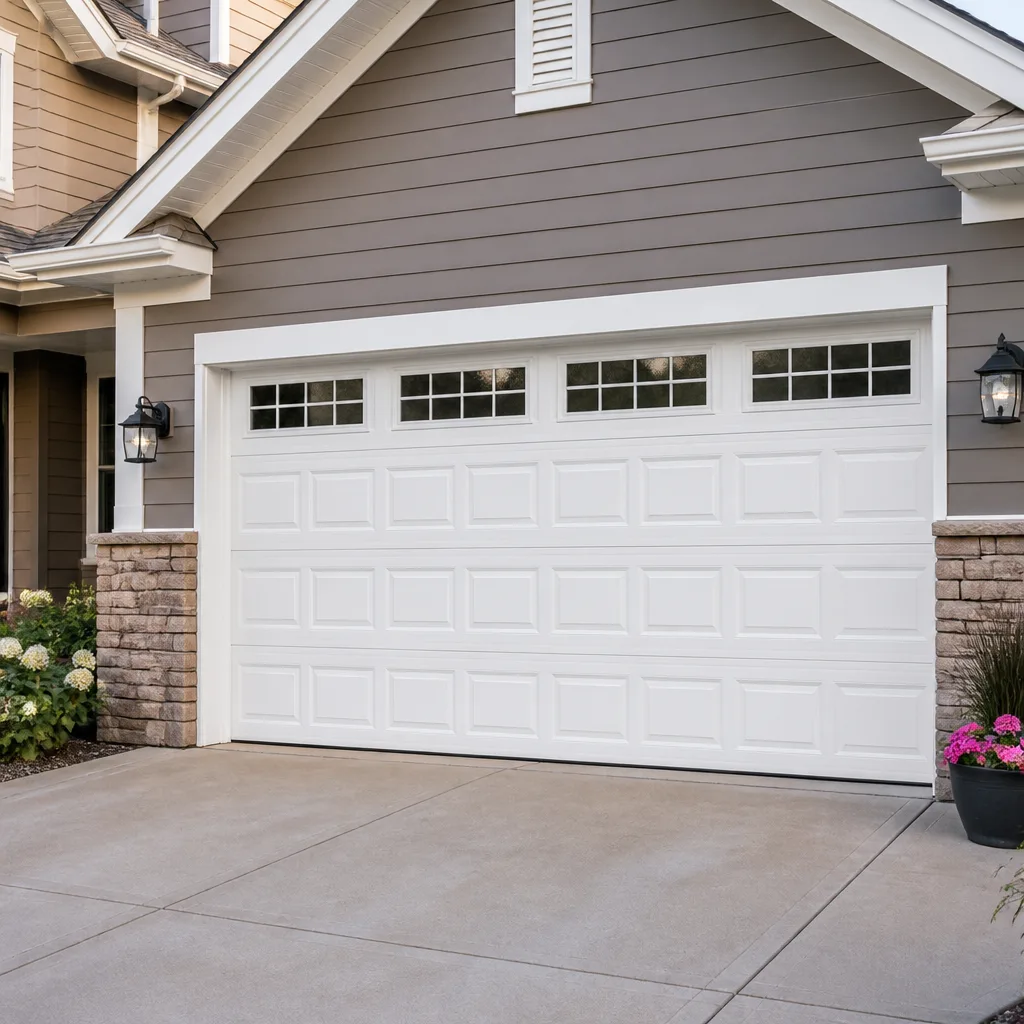
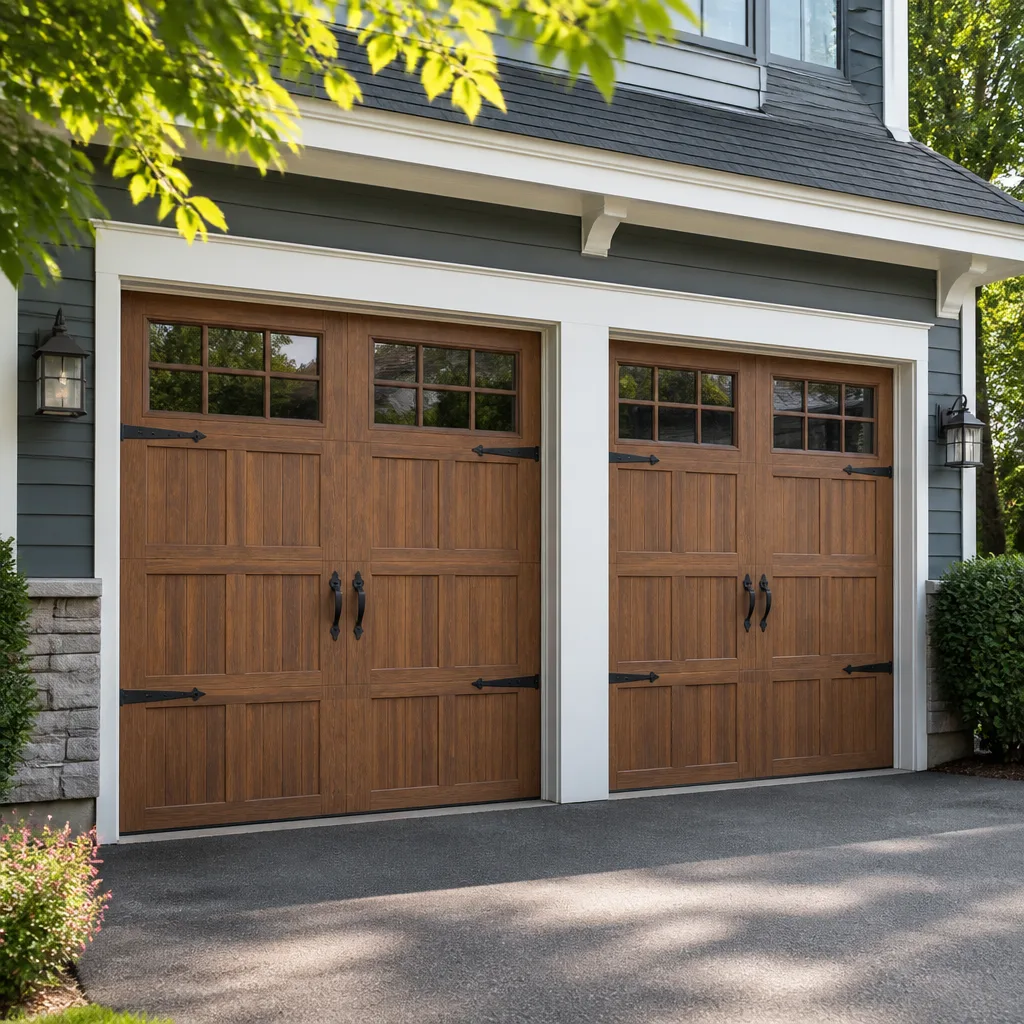
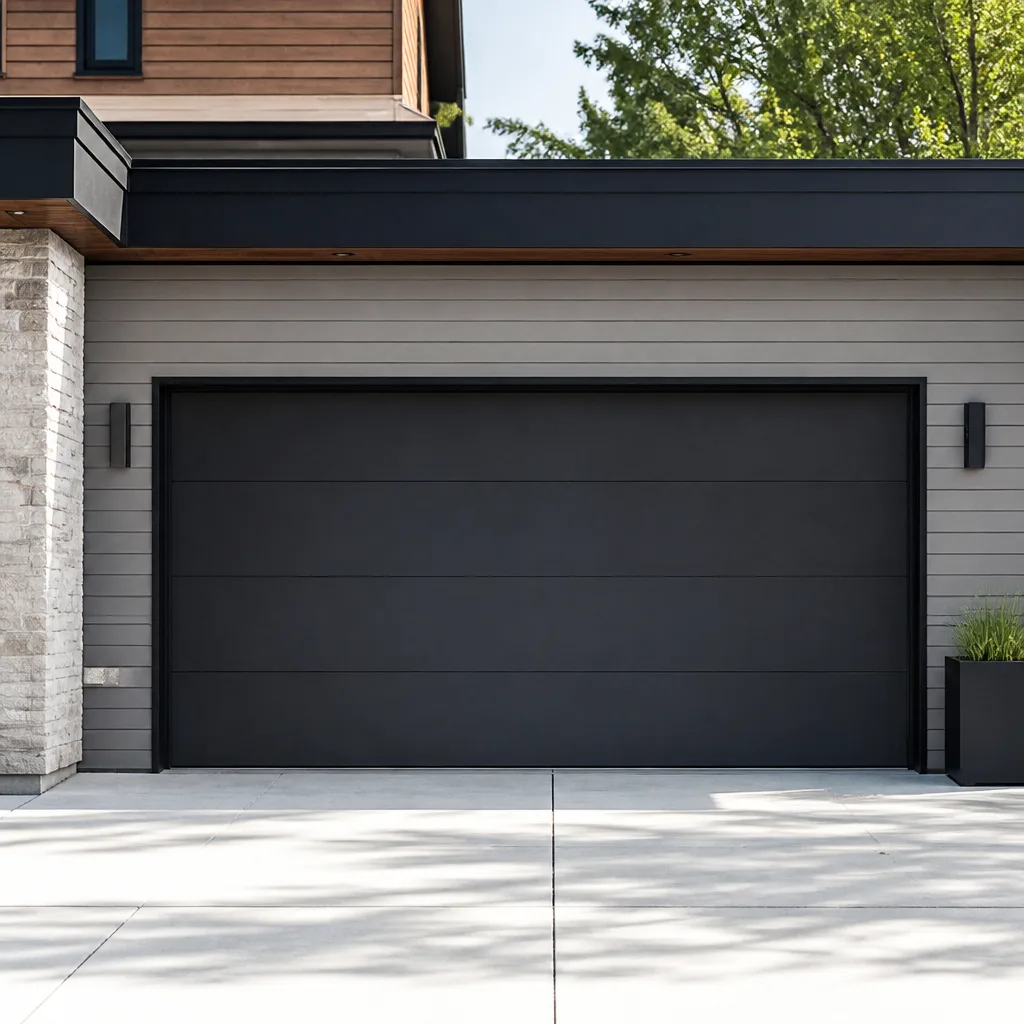
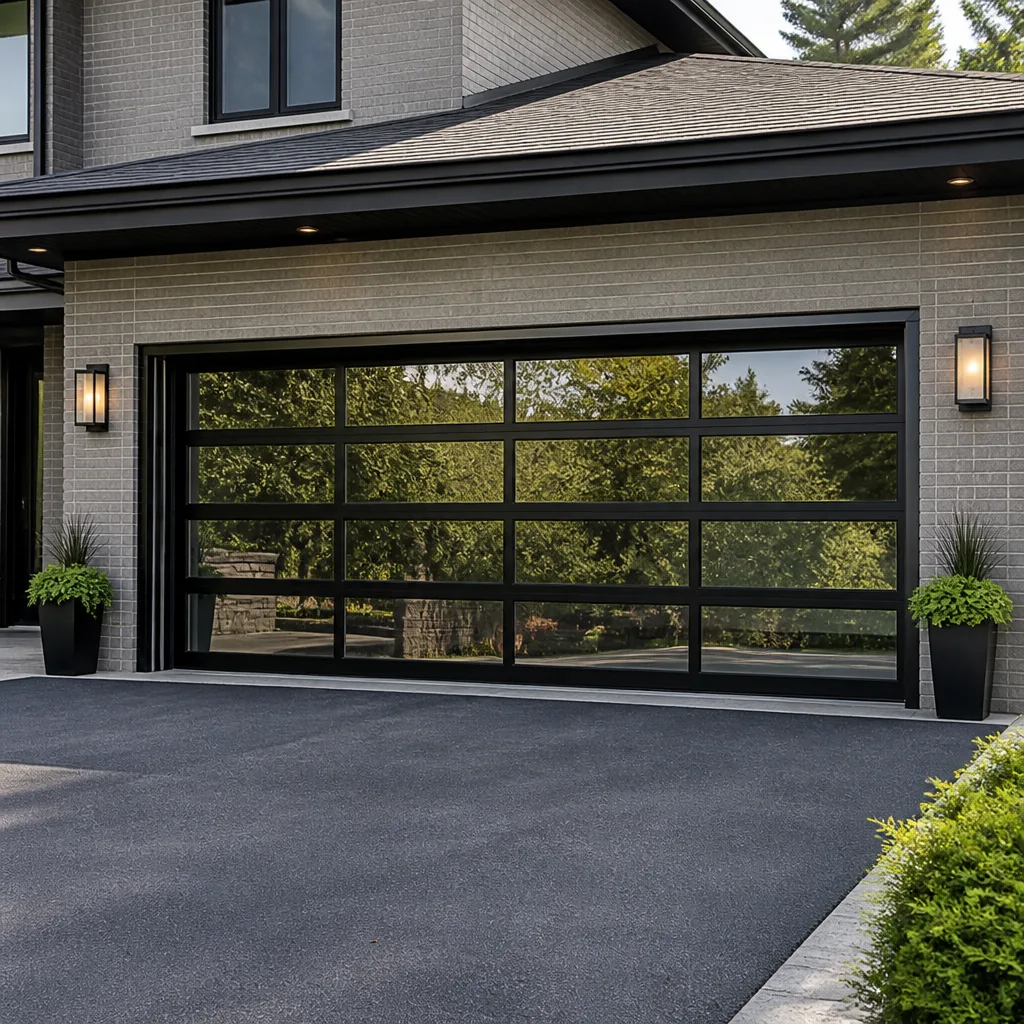
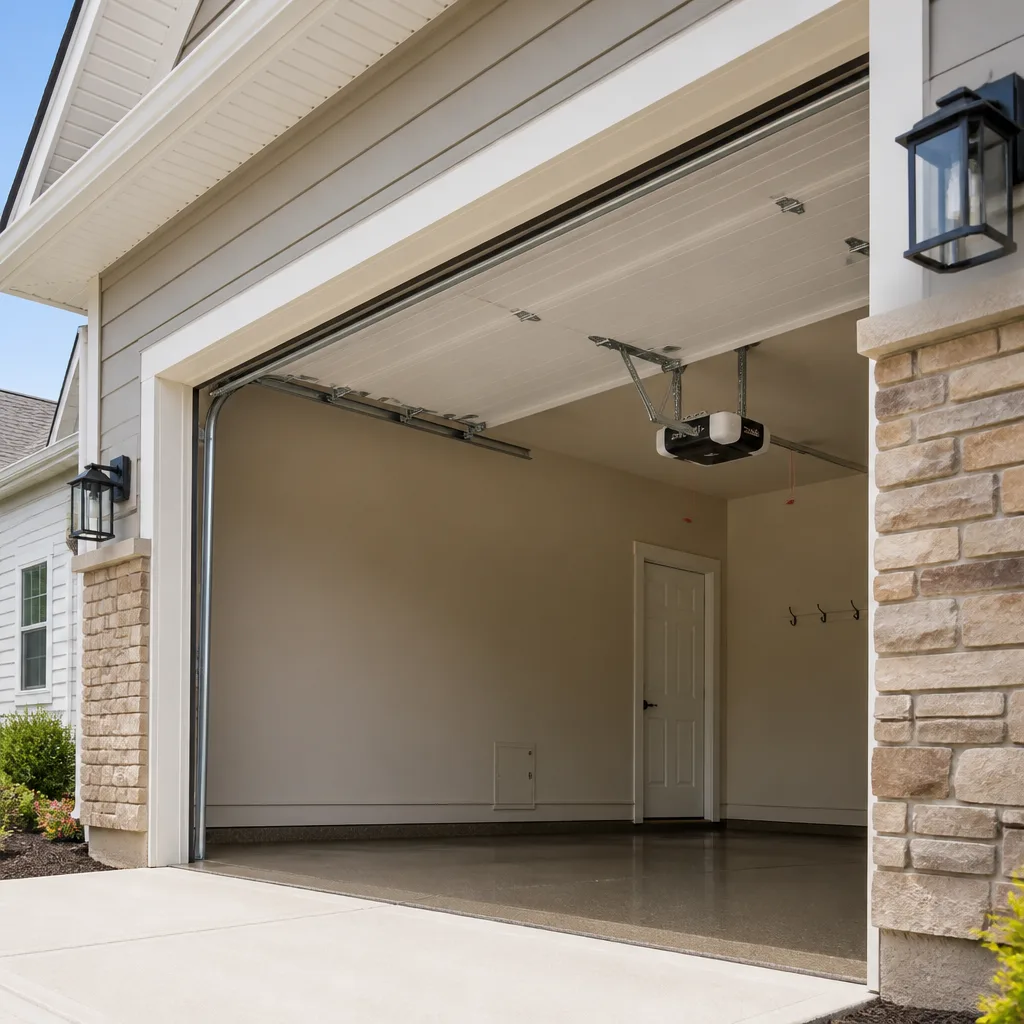
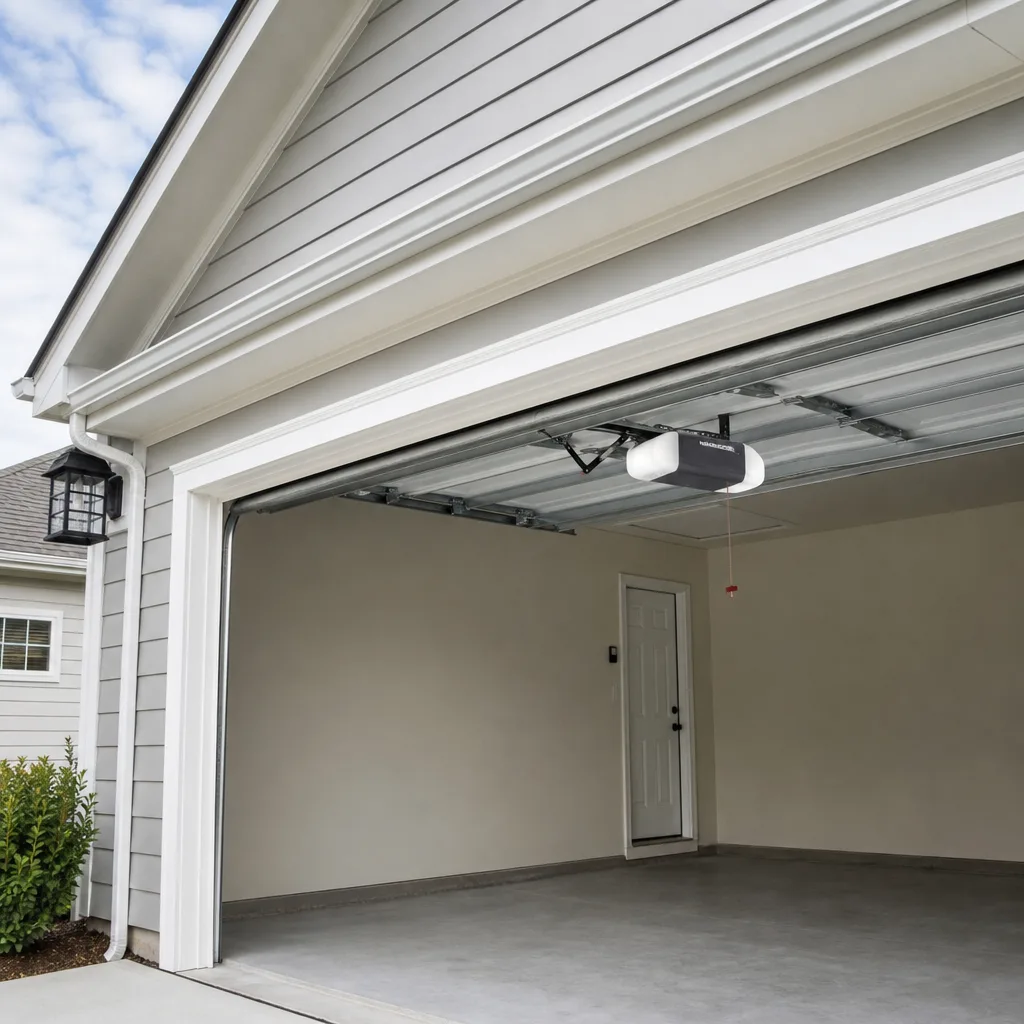
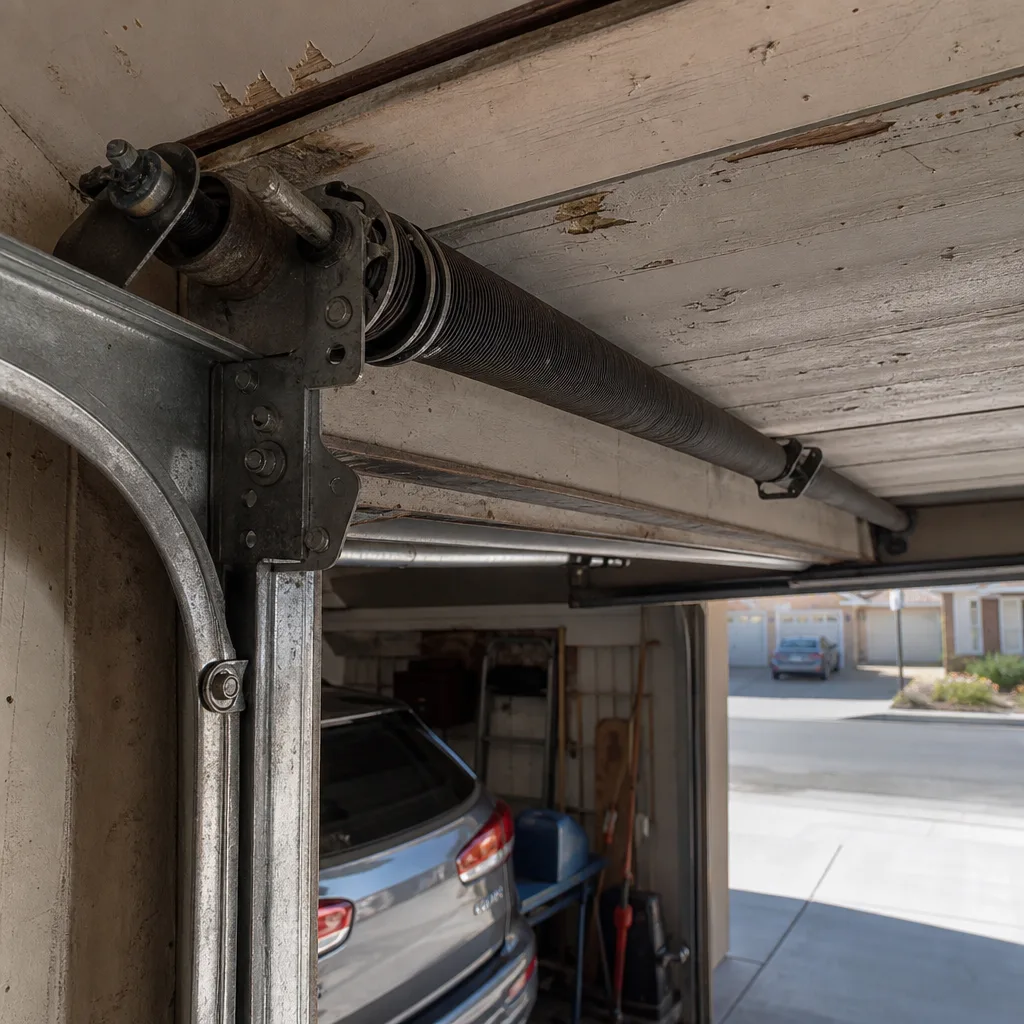 Before
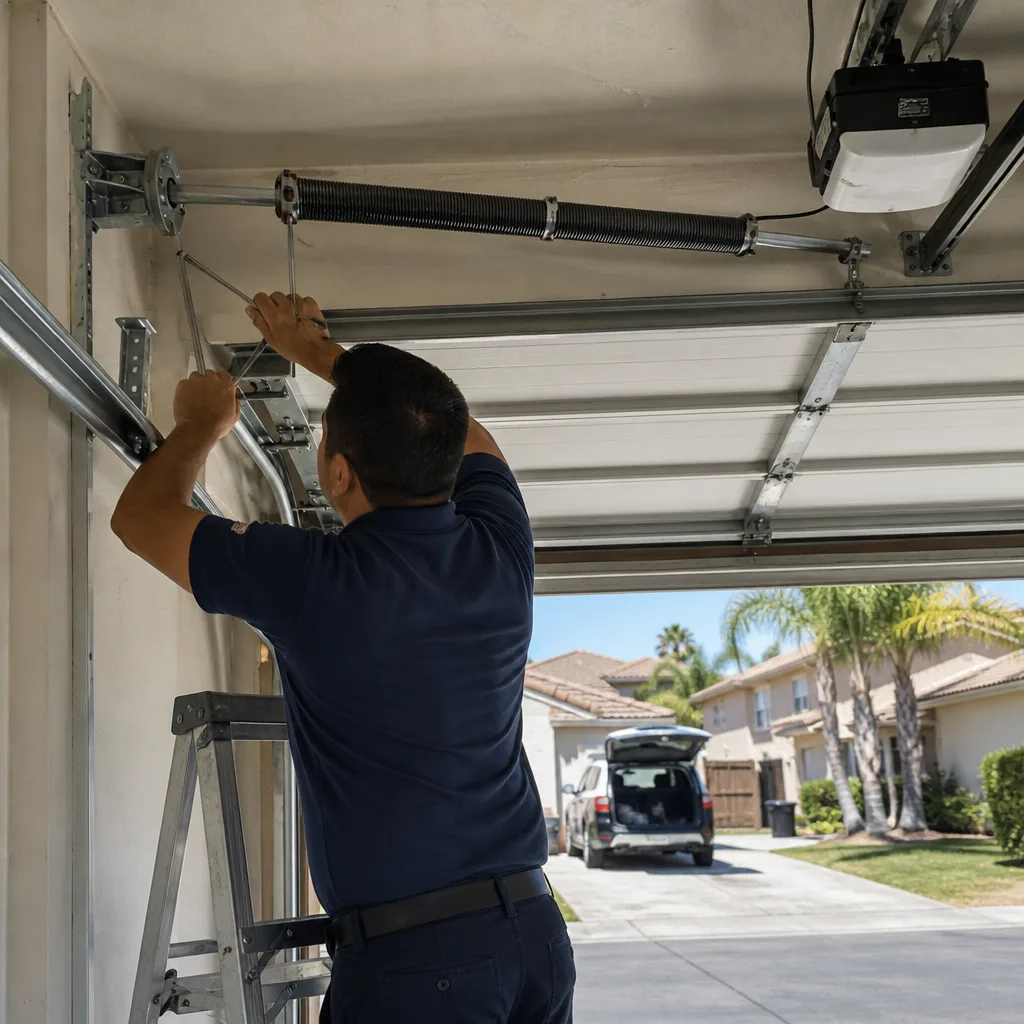 After
After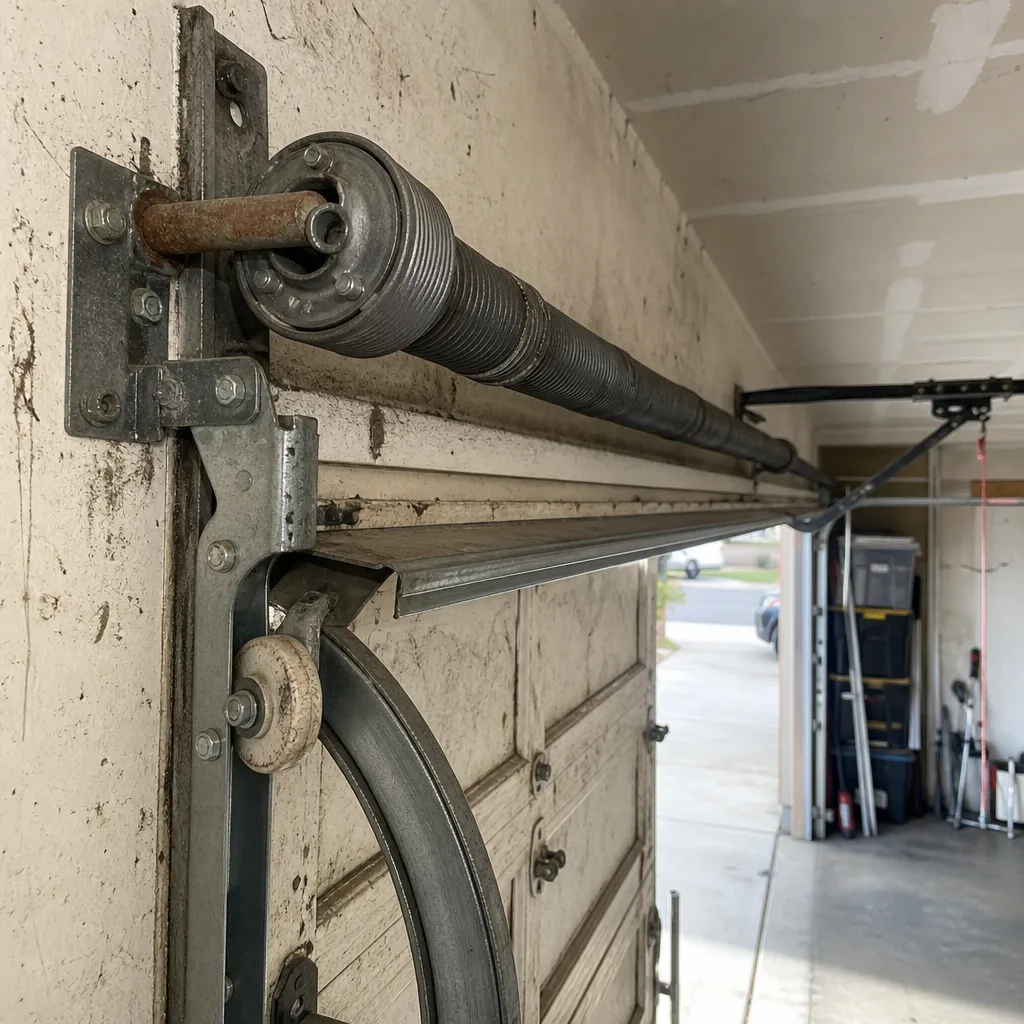 Before
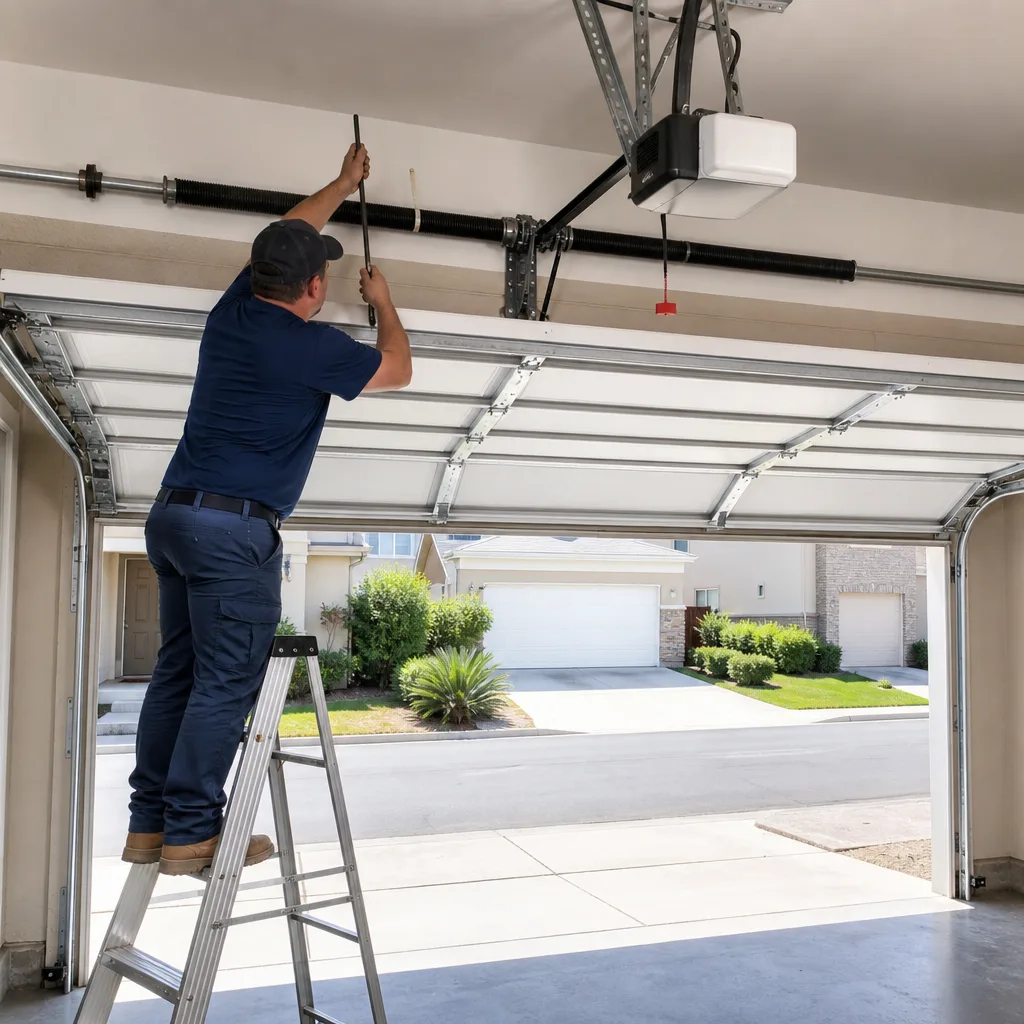 After
After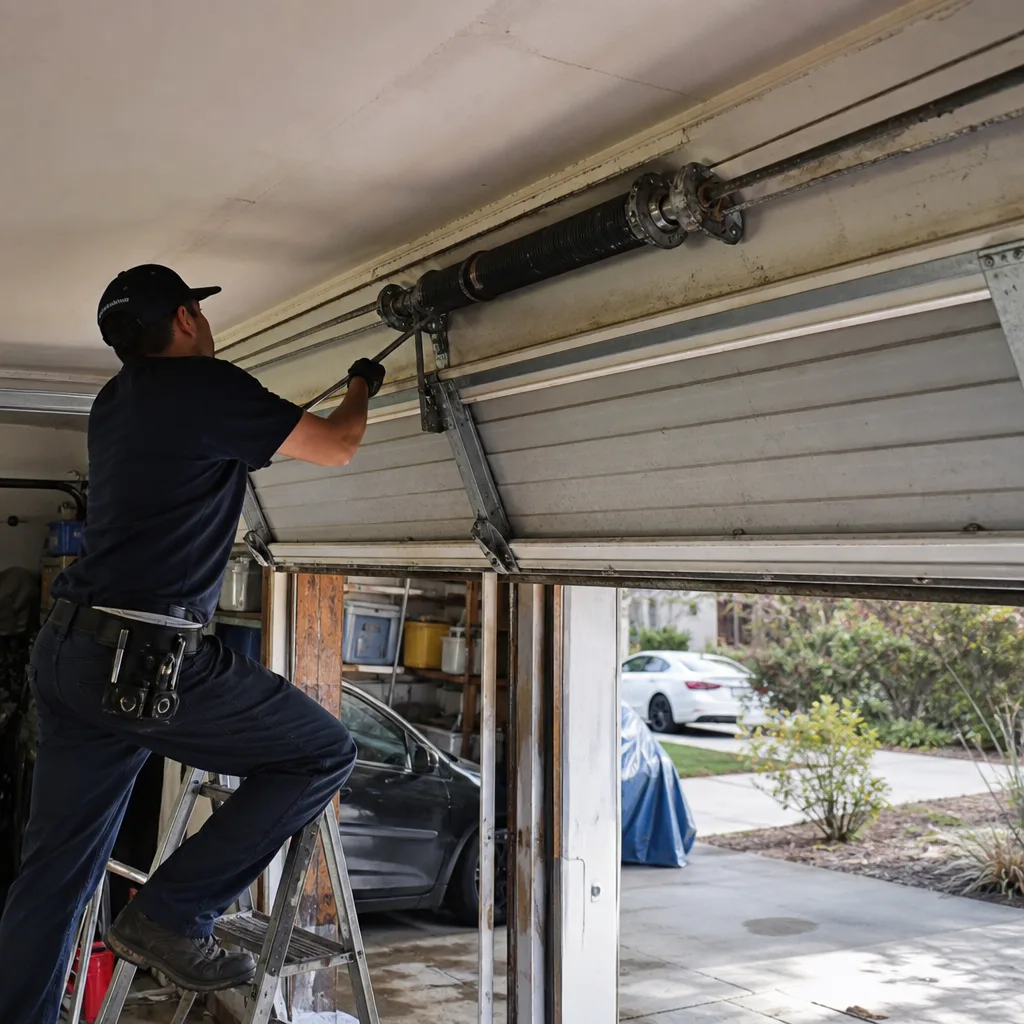 Before
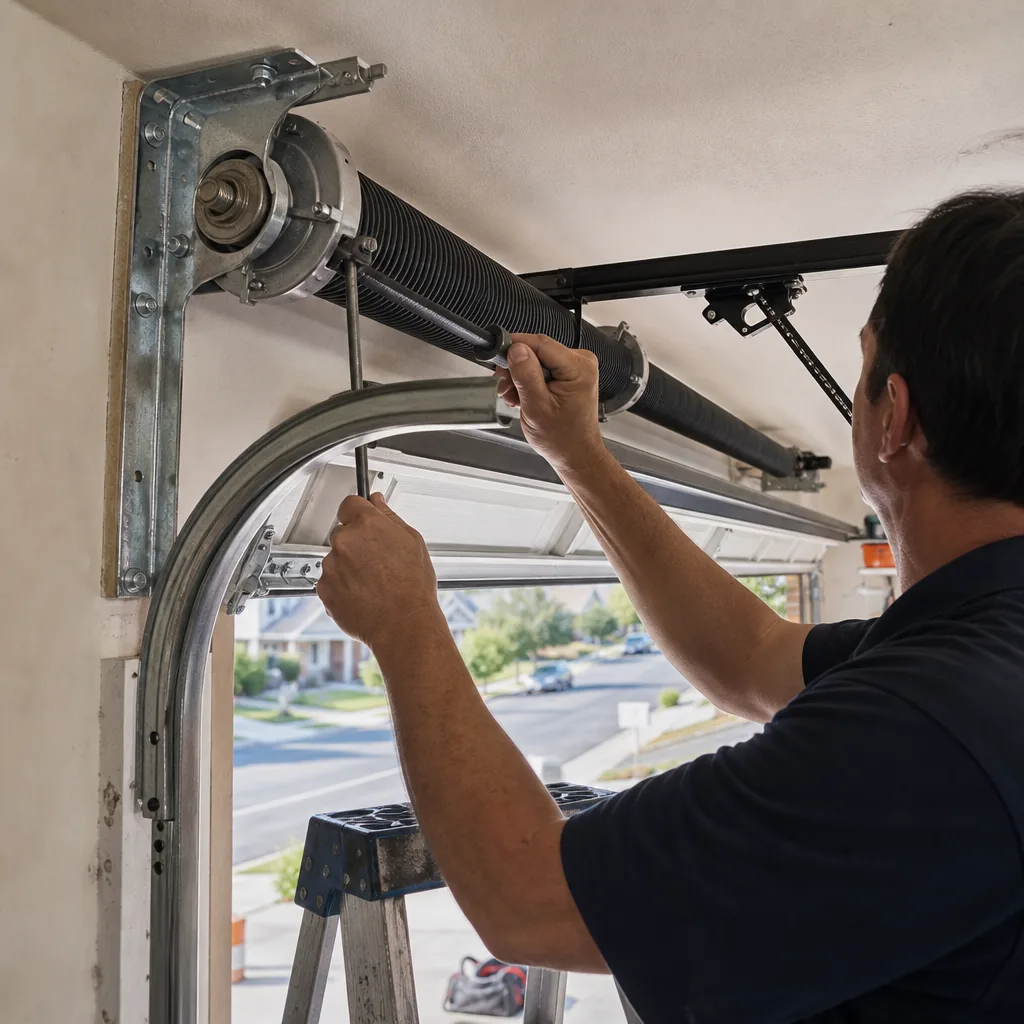 After
AfterThe Complete Guide to Garage Door in Oceanside
Most garage doors sold in Oceanside come with a warranty written for inland climates. Within two miles of the Pacific, that warranty means almost nothing. The salt air eats standard hardware in three to five years. The marine layer soaks panels every morning from May through July. And the coastal wind loads that hit a 16-foot door are not the same numbers stamped on a box at a big-box store in Escondido. This guide is what Otto Reinhardt would tell you standing in your driveway before you spend a dime. You’ll learn which materials actually hold up in Oceanside, what a fair price looks like, and where the shortcuts hide. For more guides & resources, visit our blog.
Quick Answer
A garage door in Oceanside needs marine-grade hardware, a wind-load rating matched to the coastal zone, and either a corrosion-resistant steel gauge or fiberglass panel to survive the salt air and humidity cycles. A complete installed door system typically runs $1,400 to $3,800 depending on material, insulation, and size. The single most common mistake is pricing just the door panel and discovering that springs, tracks, and weatherstripping were never part of the bid. For a full breakdown, see our Garage Door Cost Breakdown: The Oceanside Homeowner’s Reference for 2026.
Table of Contents
- Why Salt Air Dictates Your Door Choice in Oceanside
- Wind Load Ratings: What Oceanside’s Coastal Zone Actually Requires
- Steel vs. Fiberglass vs. Aluminum: Cost and Lifespan in Oceanside
- What a Complete Door System Actually Includes
- Marine Layer Humidity: What to Look For in Year One
- Why Your Warranty Might Not Cover a Coastal Door
- What a Garage Door Costs in Oceanside in 2026
- DIY vs. Professional Installation: Where the Line Is
Why Salt Air Dictates Your Door Choice in Oceanside
We see it every week. A homeowner in Fire Mountain or South Oceanside calls us to look at a door that’s five years old and already showing rust blooms around the hinges, brackets, and lower panels. The door itself looks fine from the curb. The hardware underneath is quietly failing.
Oceanside sits directly on the Pacific, and the prevailing onshore breeze carries salt aerosol inland for roughly three to five miles depending on the season. Within that band, standard zinc-plated hardware degrades at three to four times the rate you’d see in Vista or San Marcos. The fix is not complicated, but it has to be specified at the time of purchase. Galvanized track and brackets, stainless steel hinges and rollers, and powder-coated torsion springs are the baseline for any door installed within five miles of the coast. Not an upgrade. A baseline.
Here’s what to check before a door goes in:
- Hinges: They should be stamped stainless steel or hot-dipped galvanized. If the installer pulls zinc-plated hinges out of the box, stop the job. They’ll show rust within 18 months near the coast.
- Rollers: Nylon rollers with sealed stainless bearings. Steel rollers with exposed ball bearings will seize after two or three marine layer seasons.
- Track: Galvanized steel track is standard on better doors. Ask what gauge. Heavier gauge track resists the flex that salt corrosion accelerates.
- Torsion springs: Oil-tempered springs are common, but powder-coated or epoxy-finished springs add years in coastal air. We write the spring cycle rating on every estimate in Oceanside because we know the environment shortens it.
- Bottom brackets and cables: These carry the load every single cycle. Stainless cables and galvanized brackets are what we install on every coastal job, no exceptions.
If a quote doesn’t mention any of this, the company is selling an inland door to a coastal house. We’ve been called out to replace those doors. Otto has said it more times than he can count: a door is 200 pounds riding on two springs. Respect it. That respect starts with the metal that holds the whole thing together.
Wind Load Ratings: What Oceanside’s Coastal Zone Actually Requires
Oceanside is not one wind zone. It matters where the house sits. A door on a hilltop above Highway 76 will take different gusts than a door tucked into a Loma Alta neighborhood. But the building code treats most of Oceanside’s coastal strip as a high-wind exposure zone, and that changes what a door needs to be. For details on permits and requirements, see Garage Door Permits, Codes & Inspections in CA: What You Need to Know.
The spec that matters is called a design wind load rating, measured in pounds per square foot. For most of coastal Oceanside, that number falls in a higher bracket than what a stock door from a warehouse rack is tested for. A door that’s under-rated will bow inward during winter storms, pull the track out of alignment, and eventually tear the brackets off the jamb. We’ve seen it. It’s not theoretical.
Here’s the practical breakdown:
- Ask for the wind load rating in writing. Any reputable manufacturer publishes this number for every door model. If the salesperson can’t produce it, walk.
- Match the rating to your exposure. A house with open exposure facing due west needs a higher rating than a house shielded by a neighbor or a hill. We check the site and the orientation before recommending a door.
- Reinforcement struts are not optional in exposed locations. A 16-foot-wide door in a coastal wind zone should have horizontal struts on every section. They cost a little more. They keep the door from folding in a storm.
- Anchoring matters as much as the door. The track brackets need to be anchored into solid framing, not drywall anchors and not a single lag into a cracked stud. Coastal wind loads pull brackets out over time, and the failure is rarely dramatic until it is.
This is also where Garage Door Installation in Oceanside separates itself from a national chain. The national estimate is built on a regional average. We build the quote on the actual house, the actual exposure, and the actual code requirement for this specific stretch of coast.
Steel vs. Fiberglass vs. Aluminum: Cost and Lifespan in Oceanside
The manufacturer websites all say their material is best. Here’s what twenty-plus years of jobs in Oceanside actually show. We track what fails, when it fails, and why. This is the honest version.
Steel
Steel is still the best all-around value for most Oceanside homes if you buy the right gauge and the right coating. A 24-gauge steel door with a factory-applied finish and galvanized substrate will run 15 to 18 years near the coast before the bottom panel shows meaningful rust. A 27-gauge builder-grade steel door will rust through in six to eight. The price difference between the two is often $300 to $500. The lifespan difference is a decade. Thicker steel also holds paint better, resists dents from beach chairs and surfboards, and gives the door a more solid feel. The tradeoff is weight, which means stronger springs and more frequent spring maintenance.
Fiberglass
Fiberglass is the sleeper choice for Oceanside, especially for homeowners within a mile or two of the water. It doesn’t rust, period. It doesn’t corrode. The marine layer leaves it alone. Fiberglass doors with a steel frame inside are lighter than solid steel, easier on the opener, and hold up remarkably well to salt exposure. The honest downside is cost: a good fiberglass door runs 15 to 25 percent more than a comparable steel door. And the finish can chalk over time if the door faces direct southern or western sun. But for corrosion resistance, nothing touches it.
Aluminum
Aluminum is where we see the most bad decisions in Oceanside. A full aluminum door with aluminum panels is light and won’t rust, but it dents easily and transmits heat straight into the garage. An aluminum frame with glass or acrylic panels looks modern and coastal, but it provides almost no insulation and the panels need resealing against the salt air every few years. Aluminum makes sense for a detached garage used for storage or a workshop. As a primary door on an attached garage, it’s usually a disappointment. If you want the aluminum look, buy an aluminum frame door with an integral insulation core and factor the reseal into the maintenance budget.
Here’s the cost-versus-lifespan summary from real Oceanside installations:
- Builder-grade steel (27-gauge): $1,200-$1,800 installed. Lifespan near coast: 6-9 years. Not recommended within five miles of the ocean.
- Mid-grade steel (25-gauge, galvanized): $1,800-$2,600 installed. Lifespan near coast: 12-15 years. Good value for most Oceanside homes.
- Heavy steel (24-gauge or thicker, powder-coated): $2,400-$3,400 installed. Lifespan near coast: 15-20 years. The sweet spot for exposed coastal locations.
- Fiberglass (steel-reinforced frame): $2,800-$3,800 installed. Lifespan near coast: 18-25 years. Best long-term play within two miles of the water.
- Aluminum (glass or solid panels): $2,000-$4,000 installed depending on panel style. Lifespan near coast: 10-15 years before panel reseal. Choose for looks, not durability.
These are installed prices including springs, track, and labor. They reflect what we quote in Oceanside in 2026, not a manufacturer’s suggested retail.
What a Complete Door System Actually Includes
Here’s how people get burned. The phone quote is $900 for a “16×7 steel door installed.” The invoice at the end is $2,100. The difference is everything that was never priced: the springs, the track, the opener integration, the weatherstripping, the haul-away of the old door. That $900 was for a door panel sitting in a box. A panel is not a door system.
A complete garage door system in Oceanside consists of six components:
- The panels: The visible sections of the door. This is what most people picture when they think “garage door.” It’s about half the total installed cost.
- The torsion springs: These do the actual lifting. They’re rated in cycles, not years. In Oceanside’s humid air, spring life runs shorter than inland, and we count spring cycles the way you count tire miles. Every one of our Oceanside estimates lists the spring rating in writing.
- The track and rollers: The guiding system. Coastal installs need galvanized track and sealed rollers. Cheap track flexes, binds, and wears out rollers faster.
- The opener: Not part of the door, but the two systems have to work together. A heavier coastal door needs an opener with enough lifting capacity, and a tired opener will destroy a new door’s springs over time.
- Weatherstripping and seals: The bottom seal and the perimeter jamb seals keep out the marine layer and the dust. In Oceanside, these fail faster than inland, which means the door itself lasts longer when the seals get replaced on schedule.
- Hardware: Hinges, brackets, cables, and fasteners. This is where the salt air does its worst work, and where the cheap bid hides the damage.
When we price a door at Otto’s Garage Door home, every line is on the estimate before we start. Springs, track, rollers, seals, haul-away, labor. The price you get on the phone is the price on the invoice. Otto quotes the job on that call and holds the number when he gets there. That’s not a sales tactic. That’s the way he’s done business in this county since 2004.
Marine Layer Humidity: What to Look For in Year One
Oceanside’s marine layer is a daily humidity cycle that most of the country doesn’t understand. From late spring through early fall, the fog rolls in overnight and burns off by mid-morning. That means the exterior surface of a garage door cycles through condensation and drying every single day for four or five months a year. Inland doors don’t experience that. Oceanside doors do.
What that does to a door in the first twelve months:
- Panel edges absorb moisture first. Factory-cut edges are the most vulnerable point on any steel door. A quality door has sealed or rolled edges. A cheap door has raw cuts that wick moisture into the core. Check the edges after one marine layer season. If you see bubbling or staining, the door was never properly edge-sealed.
- Hinges show rust before anything else. If the hinges are not stainless or galvanized, you’ll see orange staining around the hinge pins by month eight. That’s the canary in the coal mine for the rest of the hardware.
- The bottom seal deforms. Salt humidity and heat cycling make cheap rubber bottom seals curl and crack. A quality EPDM rubber seal holds its shape. This matters more than it sounds: a failed bottom seal lets humid air into the garage all night, which then condenses on the tools, the car, and the inside of the door panels.
- Paint and finish dull faster. A factory finish on a quality door should look good for five-plus years. If the sheen is gone in nine months, the finish was a thin coat meant for protected inland exposure.
The house-facing side of the door matters too. An attached garage in Oceanside gets humid air from the outside and trapped moisture from parked cars and stored gear from the inside. A door with an insulated core handles that cycle better than a hollow one, and it’s usually worth the upgrade even if the garage isn’t heated or cooled.
Why Your Warranty Might Not Cover a Coastal Door
Most door warranties contain language about “normal environmental conditions” or “non-corrosive atmospheres.” A house within two miles of the Pacific does not qualify. Salt exposure is explicitly or implicitly excluded from many manufacturer warranties, and that exclusion gets enforced more often than homeowners expect. The manufacturer knows where the door was installed. The zip code tells them.
What this means in practice:
- Read the corrosion exclusion before you buy. If the warranty excludes coastal environments or defines salt air as abnormal, the warranty is effectively void for your Oceanside home.
- Galvanized and marine-grade hardware is your actual warranty. A door that’s built for the environment doesn’t need the warranty to save it. Buy the right materials and the warranty becomes a backup, not a necessity.
- The installer’s workmanship warranty matters more. A door that fails because of cheap hardware is an installation decision, not a manufacturing defect. Our 90-Day Done Right Promise is in writing on every invoice: if it’s not done right, we make it right, and one call brings Otto back, not a customer-service queue.
- Keep the paperwork. If you ever do need a manufacturer claim, you’ll need the model, the serial number, the installation date, and the installer’s name. We put all of it on the estimate and the invoice.
Warranty exclusions are why material selection in Oceanside is a financial decision, not just a mechanical one. A $300 savings on uncoated hardware is a $1,200 repair in five years. We’ve priced that repair enough times to know the math exactly.
What a Garage Door Costs in Oceanside in 2026
The numbers below are what we see across Oceanside right now. They’re installed prices, not parts prices. They include the complete system described above.
Installed garage door system costs in Oceanside, 2026:
- Single-car door, builder steel: $1,200-$1,800. Get it if the house is for sale. Don’t get it if you’re staying.
- Single-car door, mid-grade steel: $1,800-$2,600. The most common choice we install in Oceanside. Good balance of cost and coastal durability.
- Single-car door, heavy steel or fiberglass: $2,600-$3,400. The right pick within two miles of the water.
- Double-car door, mid-grade steel: $2,400-$3,200. Expect to be at the higher end near the coast.
- Double-car door, heavy steel or fiberglass: $3,400-$4,500. Long-term cost of ownership drops because the door outlasts two builder doors.
- Custom or architectural doors: $4,000-$8,000+. Wood composite, full glass, and custom finishes. Oceanside has homes that justify these, particularly in older coastal neighborhoods where curb appeal drives resale.
Items that change the price: garage door opener replacement or installation runs $450-$800 including the unit, reinforcement struts for wind load add $80-$160 on wide doors, and new weatherstripping for the existing jamb runs $40-$120. Removing and hauling an old door is included in our quotes; it’s a line item on some other companies’ invoices.
Every quote we write in Oceanside is a full installed price, agreed before any work starts. Nothing changes between the phone and the driveway. We also carry a standing offer: $40 off any repair over $200, a free second opinion on any written estimate, and a permanent 10% discount for seniors and veterans. The discount has run since the day Otto opened. That’s the L.O.C.A.L. code in action: Community first, always.
DIY vs. Professional Installation: Where the Line Is
We respect a capable homeowner. We also know where the line is, because we’ve fixed what happened when people crossed it. Read our DIY vs Professional Garage Door: The Oceanside Homeowner’s Decision Guide to see where that line usually falls.
Work a careful homeowner can reasonably handle:
- Replacing the bottom seal or the jamb weatherstripping. This is a $20 part and a half hour of work. Do it.
- Lubricating hinges and rollers with a silicone-based spray twice a year. Buy the right lube, not WD-40.
- Tightening visible track brackets and hinge bolts on a schedule. A loose bracket is a cheap fix if caught early.
- Adjusting or replacing the opener’s remote, keypad, and safety sensor alignment.
Work that should never be DIY, no exceptions:
- Torsion spring replacement or adjustment. The spring is wound under enough tension to kill or maim in an instant. We say it plainly because it’s true: a door is 200 pounds riding on two springs. Respect it. A spring failure is a professional job, every time.
- Cable replacement or re-spooling. The cables work in tension with the springs. If a cable lets go, the door can drop freely. This is not a YouTube fix.
- Track realignment or mounting repair. A door that’s off its track weighs hundreds of pounds and is under spring tension. Get clear and call a pro.
- Full door replacement. Beyond the weight and the springs, a new door in Oceanside’s wind zone needs correct wind-load anchoring and hardware matching. This is a job where the $500 saved doing it yourself becomes $2,500 in repairs when the door fails in the first coastal storm.
For any of the professional work, the path is simple: call us, get a quote on the phone, and agree the price before we arrive. That applies to Garage Door Repair in Oceanside, new door installation, and everything in between.
The Opener Question: Match It to the Door, Not the Other Way Around
Here’s a mistake we see constantly in Oceanside: someone installs a heavier coastal-grade door, then keeps the 15-year-old opener that was already struggling with the old door. Six months later the opener’s gear strips, the door hangs halfway open, and the homeowner assumes the new door is the problem.
If the opener is straining, the problem is almost never the opener. It’s usually a mismatch or a spring that’s out of balance. But the strain shows up in the opener first because it’s the component with the motor and the gear train.
Here’s how to think about it:
- A new door needs springs matched to its exact weight. If the springs are under-rated, the opener lifts more weight than it’s rated for every single cycle. It dies early. If the springs are over-rated, the door is hard to operate manually and the opener fights the spring on the way down.
- An existing opener should be evaluated at the same time as the door. We check the opener’s age, its lifting capacity, and whether the rail and chain or belt are still aligned. If the opener is near end of life, replacing it with the door is cheaper than replacing it six months later as a separate job.
- Modern openers are worth it in Oceanside. A belt-drive LiftMaster or Chamberlain with a DC motor is quieter, lasts longer in humid air, and has battery backup options that matter when coastal winds knock out power. We install and service Garage Door Opener in Oceanside units from the brands we trust: LiftMaster, Chamberlain, Genie, and Raynor.
Common Mistakes to Avoid
- Pricing the panel without the system. The door section is half the cost. If the quote doesn’t list springs, track, rollers, and seals, the final number is going to surprise you. Get a full line-item estimate before signing anything.
- Buying an inland warranty for a coastal house. Standard hardware rusts within a few years in Oceanside’s salt air and many manufacturer warranties exclude coastal corrosion. Buy galvanized and stainless from the start.
- Ignoring the wind load rating. A stock door that’s not rated for Oceanside’s coastal wind zone will bow and pull brackets out of the framing. Ask for the rating in writing and match it to your property’s exposure.
- Reusing old tracks with a new door. Tracks wear, corrode, and bend. A new door on old track is a false economy, especially on the coast where the old track has already lost its galvanizing.
- Skipping the opener evaluation. A heavier new door on a tired opener means a dead opener within the year. Check both at once and replace both if needed.
- Waiting until the door fails completely. Rust, noise, and a door that shudders on the way up are early warnings. Doors fail on schedule in Oceanside, and the schedule is shorter near the water. Fix it before it locks you in or out.
- Hiring on price alone. The cheapest bid is the one that left out the galvanized hardware, the wind struts, and the spring rating. We see the repair calls from those jobs every month.
When to Call a Professional
Call a pro if the door is off its tracks, if a spring is broken or showing a visible gap, if the cable is frayed or loose, if the door only opens halfway and stops, or if it’s making noises it never made before. All of these are mechanical problems that get worse and more expensive, and several of them are dangerous to work around. A garage door is the largest moving object in most homes and it’s under serious tension. If you’re not sure what you’re looking at, call someone who sees these failures every week. Otto’s Garage Door offers free estimates in Oceanside - call (760) 819-7361 and a live person answers, day or night, often Otto himself.
Frequently Asked Questions
A quality installed garage door system in Oceanside typically costs between $1,800 and $3,800 depending on size, material, and insulation, with fiberglass and heavy-gauge steel at the higher end. The complete system includes panels, springs, galvanized track, rollers, and weatherstripping. Call (760) 819-7361 for an exact quote - every estimate is free and the price is locked before work starts.
A properly installed steel door with marine-grade hardware will last 15 to 20 years within a few miles of the Pacific in Oceanside, while a builder-grade steel door with standard hardware often fails in six to nine years. Fiberglass doors can reach 20 years or more. The lifespan depends almost entirely on the hardware and edge sealing, not the panel material.
A coastal-rated garage door uses galvanized or stainless hardware, sealed panel edges, a corrosion-resistant finish, and a wind load rating appropriate for the property’s exposure. In Oceanside, that means galvanized track, stainless hinges, sealed nylon rollers, and reinforcement struts on wider doors. These are specifications, not marketing terms, and they should be listed in writing on the quote.
Yes, and it’s a repair we do almost daily. In most cases we have the correct spring on the truck and a replacement can be done in an hour or two. A broken spring is a safety issue and an access problem, so call (760) 819-7361 right away - someone answers around the clock.
The salt aerosol in Oceanside’s coastal air corrodes untreated steel hardware at three to four times the inland rate, and the daily marine layer humidity cycle accelerates the process. Hinges, springs, and bottom brackets with standard zinc plating will show rust within 18 to 36 months. The fix is marine-grade hardware specified at installation, not paint applied after the rust appears.
We do, and there’s no trip charge inside our home county. We also offer a free second opinion on any written estimate from another company, plus $40 off any repair over $200 and a permanent 10% discount for seniors and veterans. Call (760) 819-7361 and Otto or one of his crew will give you a straight number.
The Bottom Line
Oceanside eats standard garage doors. The salt air, the marine layer, and the coastal wind all work against a door that wasn’t specified for this environment, and the warranty usually won’t save you. The fix is not complicated: buy marine-grade hardware, match the wind load rating to your house, choose the right material for your distance from the water, and get a complete installed price in writing before any work starts. Otto’s Garage Door has been doing this in Oceanside since 2004, with a published address, a license number you can verify, and a 90-day promise on every job. The name on the van is the name on the invoice and the name on the license. When your door asks for attention, call (760) 819-7361. A live person answers. And the quote on the phone is the price at the door.
Written by Otto Reinhardt, Owner at Otto’s Garage Door, serving Oceanside since 2004.